Methods for Writing Emails People Read Daily
I remember the first time I decided to email my list every day. I stared at the blinking cursor for twenty minutes. I felt panic rising in my chest.
I thought, "I don't have enough interesting things to say."
I worried that my subscribers would hate me. I imagined them rolling their eyes and hitting the unsubscribe button. I almost quit before I started. But I knew that the creators I admired most showed up daily. So I tested it.
I made plenty of mistakes in those first few months. My open rates dipped. I lost subscribers. But then I changed my approach. I stopped writing "newsletters" and started writing micro-content. The results shocked me.
My engagement didn't drop; it went up. People replied more often. They felt like they knew me.
This article explains exactly how I did it. I will show you the methods for writing emails people want to read daily, based on hard data and my own experiments.
< figure class="article-image-container" >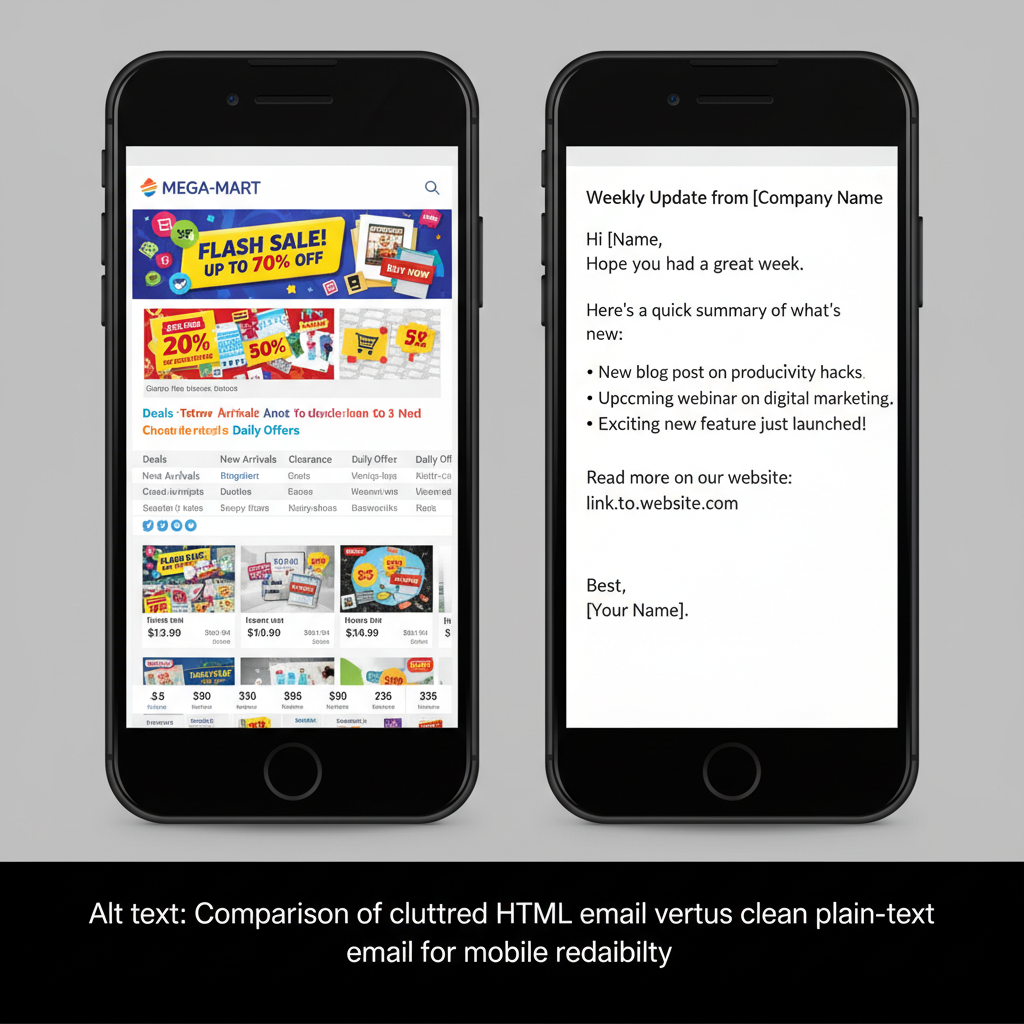
Characteristics of High-Engagement Daily Emails
Daily emails are not just shorter weekly newsletters. They are a completely different format. I treat them like text messages to a friend, not broadcasts to an audience.
When you send daily, you ask for a lot of attention. You must respect that time. I learned that the hard way when I sent a 1,000-word story on a Tuesday morning. My unsubscribe rate doubled that day.
Optimal Word Counts for Daily Content
I found a sweet spot for length. Daily emails should be short enough to read while waiting for coffee.
Data from 2025 suggests the average person spends just 10.8 seconds reading a marketing email. I looked at this number and realized something important. If my email takes two minutes to read, nobody reads it.
I aim for 150 to 300 words. That's it. This constraint forces me to be clear. It forces me to cut the fluff. If I can't explain the concept in 300 words, I break it into a two-part series.
Readability Levels for Quick Consumption
I used to try to sound smart. I used big words and long sentences. That was a mistake.
When people check their inbox, they are in "triage mode." They want to delete things. If your email looks like work, they will delete it. I now write for an 8th-grade reading level. I use tools to check my "Flesch-Kincaid" score, and I aim for 60 or higher.
According to Harvard Medical School, effective writing reduces the cognitive load on the reader. This means simple words work best. I swap "utilize" for "use." I change "facilitate" to "help." It feels weird at first, but your readers will thank you.
Process for Generating Daily Email Content
The biggest fear with daily emails is running out of ideas. I felt this fear every morning at 6:00 AM. Then I realized I was doing it wrong.
I was trying to invent new topics. Instead, I should have been documenting what I was already doing. This shift saved my sanity.
Sourcing Information for 365 Days
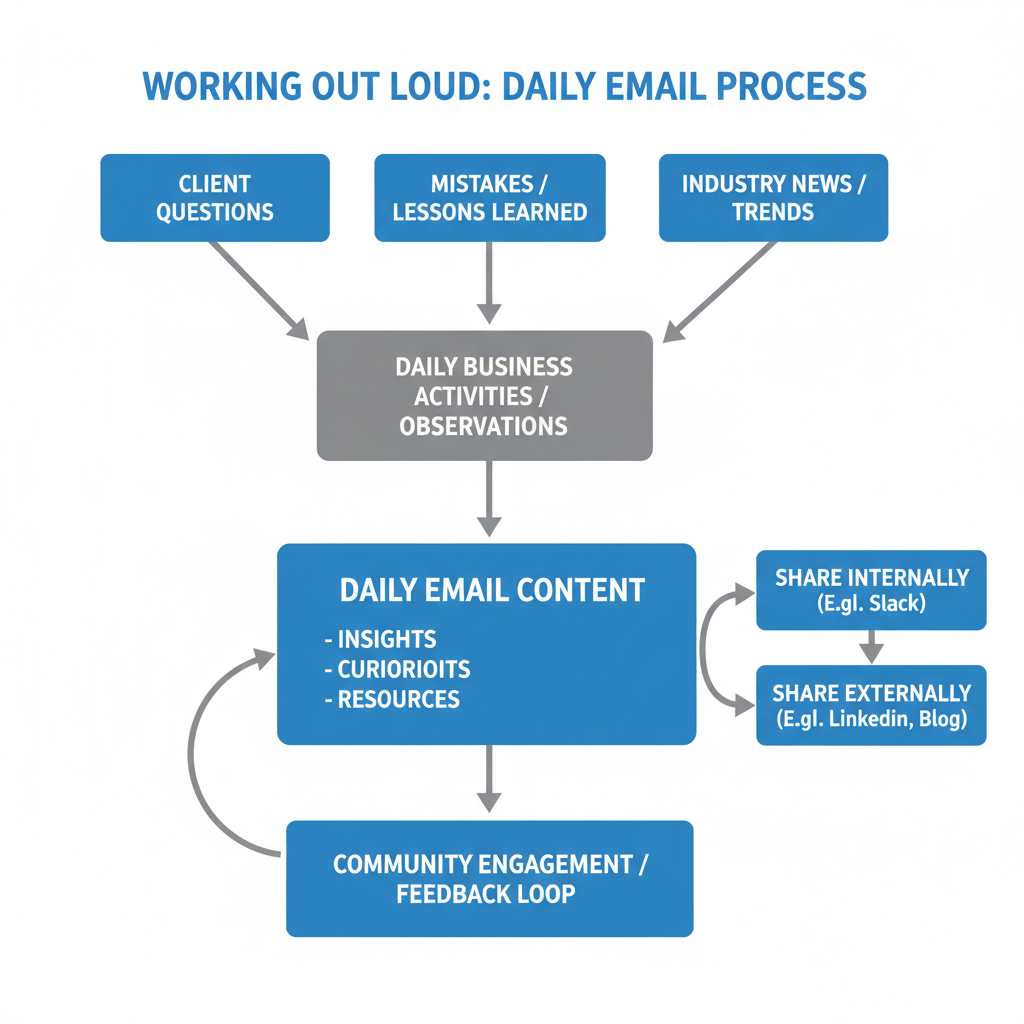
I use a method called "Working Out Loud." I don't sit down to brainstorm "content." I just pay attention to my day.
Did a client ask me a specific question? That's an email. Did I read an article that made me angry? That's an email. Did I find a tool that saved me five minutes? That's an email.
Here is my sourcing list:
- Client Questions: If one person asks, ten others are wondering.
- Mistakes: I share when I mess up. People love vulnerability.
- Curated Links: I share one good thing I read that day.
- Behind the Scenes: I show how I built a specific project.
Categorizing Recurring Themes
To make this even easier, I use themes. I don't want to wake up wondering what "type" of email to write. I know that Tuesdays are for tactical tips. Fridays are for stories.
I found that readers like this rhythm too. It creates a habit loop. They know what to expect. This reduces the mental effort for both of us.
Technical Requirements for Daily Delivery
You can write the best copy in the world, but it fails if it looks bad on a phone. I checked my analytics recently. I saw that 47.3% of my opens happen on mobile devices.
If my email requires pinching and zooming, I lose half my audience instantly. I changed my templates to accommodate this.
Mobile Optimization for High-Frequency Sending
I stopped using multi-column layouts. On a phone, side-by-side text gets crushed. I now use a single-column layout for everything. It flows straight down the screen.
I also increased my font size. I use 16px or 18px text. It looks big on a desktop, but it is perfect for a smartphone screen. Agencies like The U.S. General Services Administration recommend clear, large text for accessibility. I follow their lead.
Management of Subscriber Fatigue and Unsubscribes
I worry about annoying people. It is a valid fear. But I learned that "fatigue" usually comes from irrelevance, not frequency.
If I send you a joke you love every day, you won't unsubscribe. If I send you a sales pitch you hate once a month, you will unsubscribe. The content matters more than the schedule.
However, I do give people an out. I put a link at the bottom of my emails that says, "Click here to switch to the weekly digest." This lets them stay on my list without getting daily updates. It saved hundreds of subscribers who just wanted less volume.
< figure class="article-image-container" >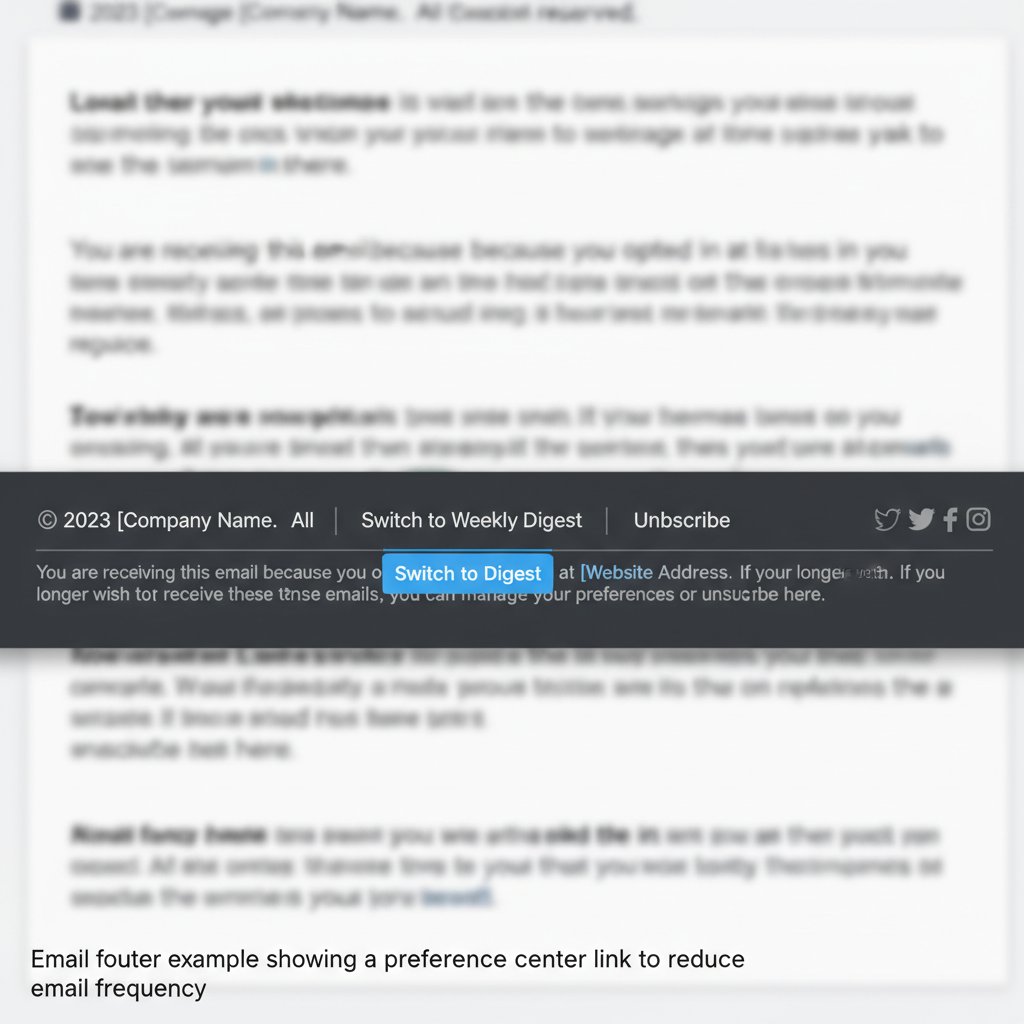
Data on Daily Email Frequency and Engagement
I like to look at the numbers before I trust a strategy. The data on daily emails surprised me.
Many people think daily emails kill open rates. The data tells a different story. According to GetResponse, while individual open rates might dip slightly, the total number of opens per month skyrockets.
Think about the math. If you send one weekly email with a 40% open rate, you get 40 opens per 100 subscribers per month. If you send 30 daily emails with a 20% open rate, you get 600 opens per 100 subscribers per month.
The total attention you get is 15 times higher. I saw this in my own stats. My relationship with my readers grew faster because I showed up more often.
Subject Line Optimization
Since I send so often, I have to be careful with subject lines. I can't use "clickbait" every day. People get tired of it. I use what I call "curiosity gaps" mixed with plain descriptions.
Statistics show that 66% of recipients open based on the subject line alone. I spend half my writing time on just that one line. I test three or four variations before I pick one.
I avoid using the word "Update" or "Newsletter." Those words feel like chores. I use subject lines that sound like a specific benefit, like "How to fix your open rates" or "The 10-minute writing rule."
Methods for Formatting Daily Emails
I want my emails to feel like a letter from a friend. I realized that heavy branding kills that vibe. When I see a big logo and a colorful banner, my brain says "Advertisement."
Plain-Text vs. HTML Templates
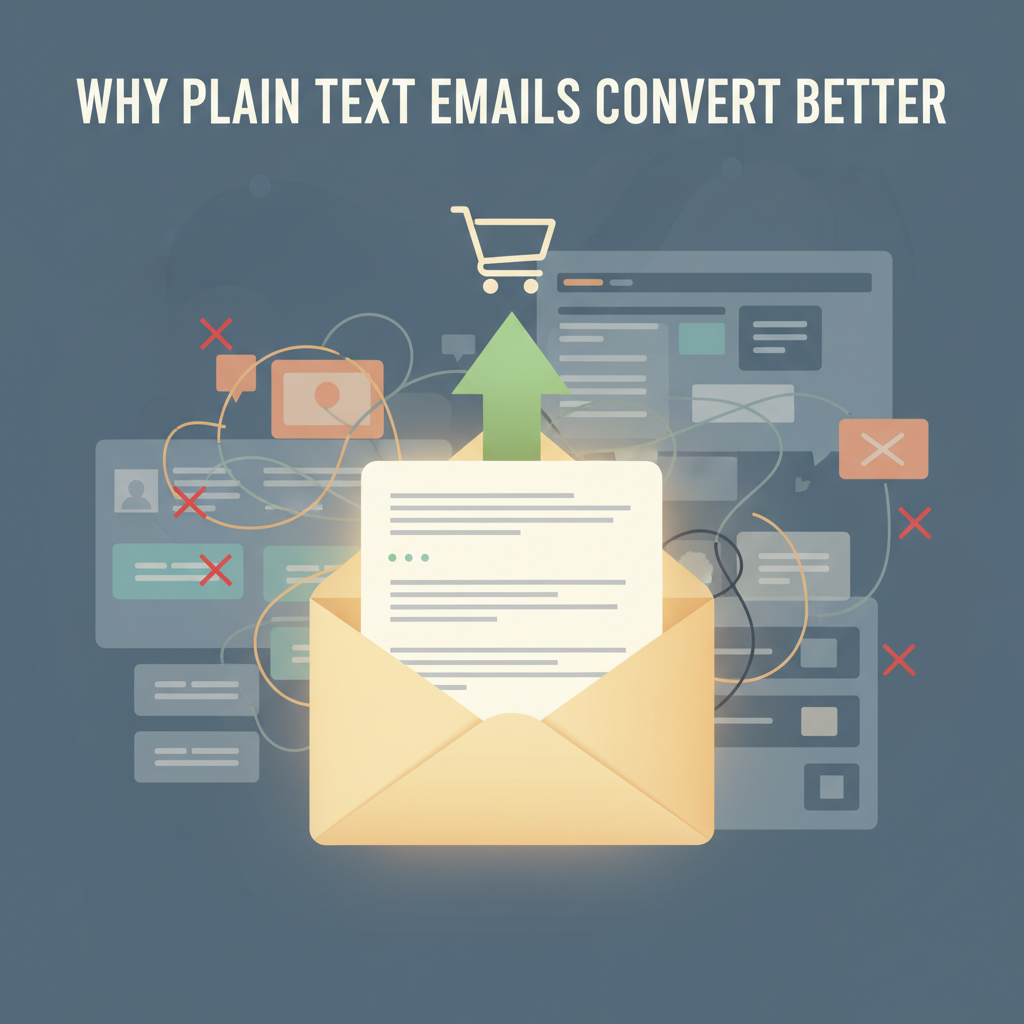
I switched to "plain-text" emails last year. They aren't strictly plain text (I still use bold and links), but they have no layout. No sidebars. No buttons. Just text.
The results were immediate. My deliverability improved. My emails stopped going to the "Promotions" tab in Gmail as often. I suspect Google treats these simple emails more like personal correspondence.
Plus, it's easier for me. I don't have to fight with a drag-and-drop builder. I just type and hit send.
Placement of Primary Information
I respect the scan. I know 79% of people scan emails rather than reading word-for-word. I write for the scanners.
I use bold text for my main points. If you only read the bold sentences in my emails, you still get the value. I also put the most important link or lesson in the top 20% of the email. I don't make people scroll to find the point.
< figure class="article-image-container" >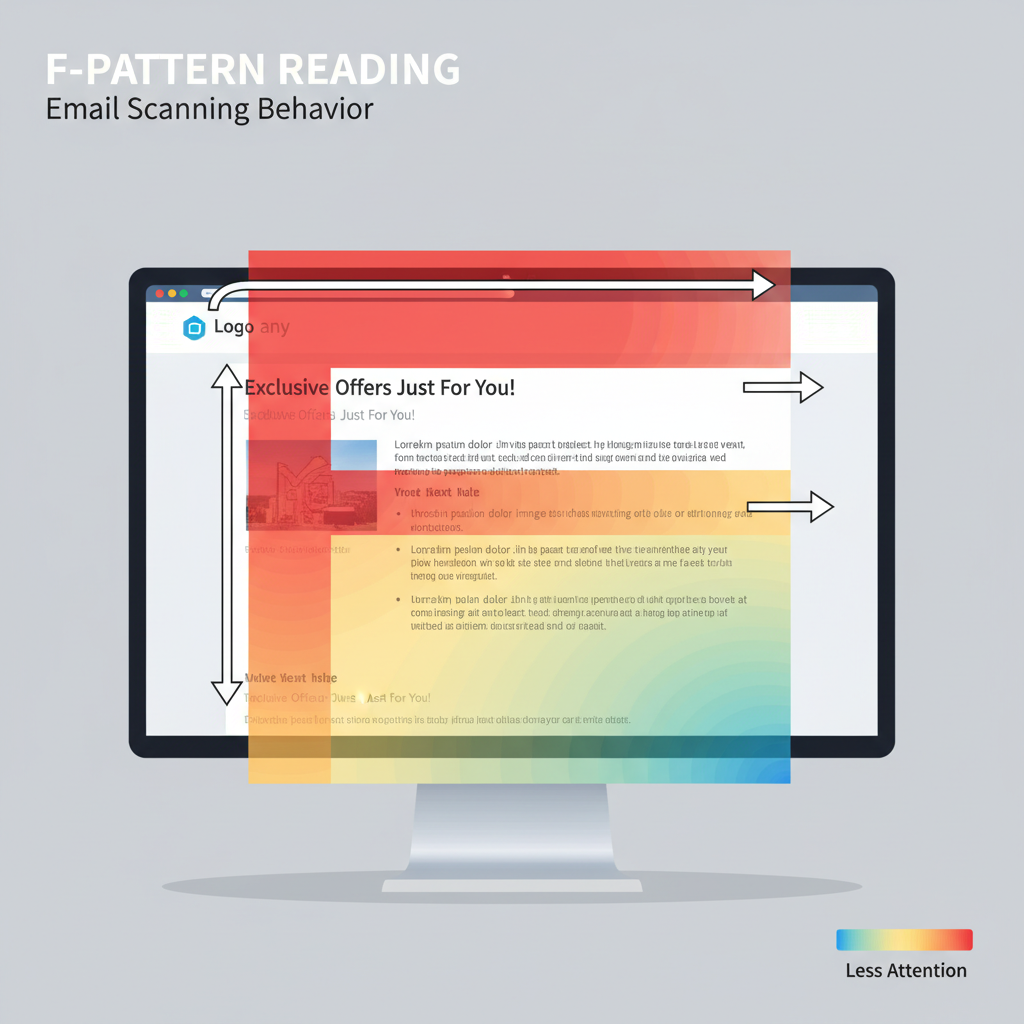
Building the Habit for Yourself
Writing daily is a muscle. It hurt when I started. It took me an hour to write 200 words. Now, it takes me 15 minutes.
I set a strict timer. I give myself 20 minutes to write and edit. If it's not done, I simplify it until it is. This constraint stops me from overthinking. Perfectionism is the enemy of daily consistency.
I also keep a "spark file." This is just a note on my phone. Whenever I have an idea, I write it down. I never stare at a blank screen anymore because I have a list of 50 ideas waiting for me.
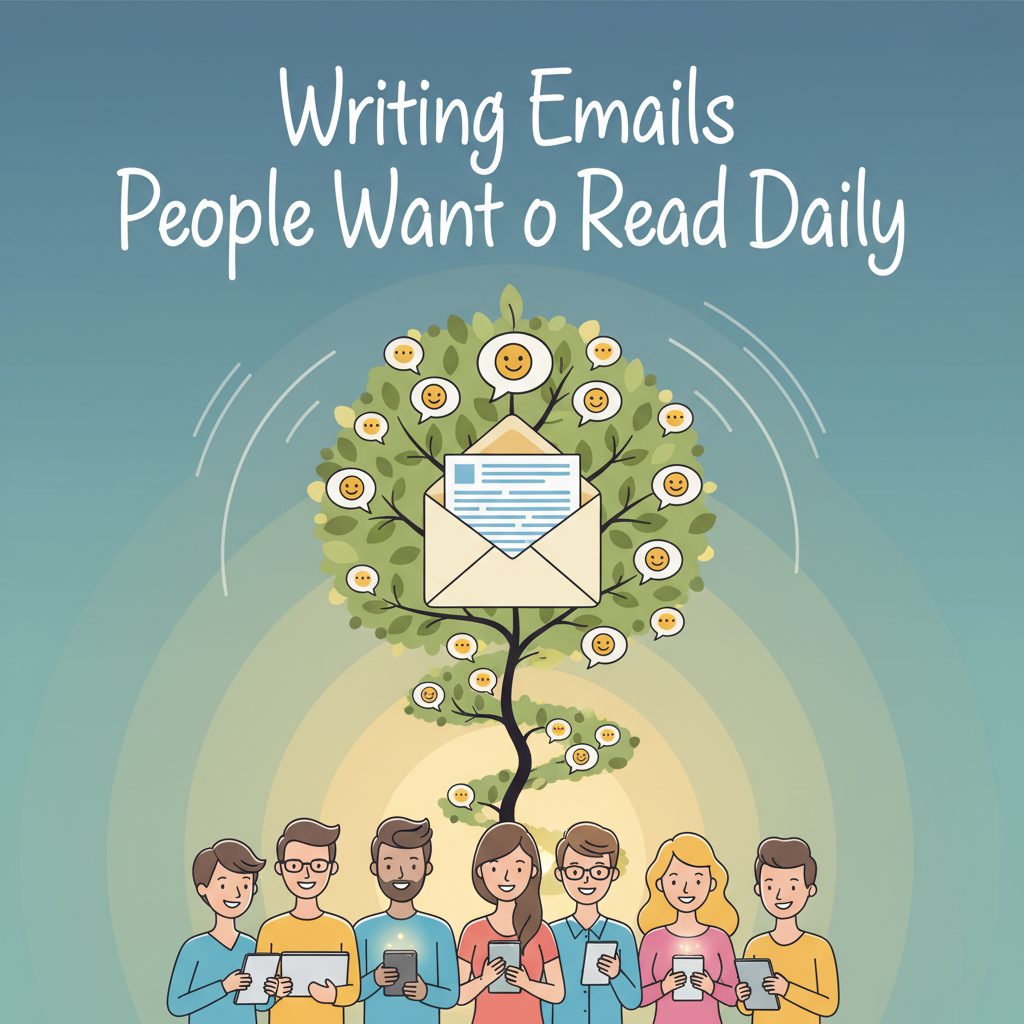
If you want to try this, start small. Commit to two weeks. Tell your list you are trying an experiment. If you hate it, you can stop. But I think you will find that writing emails people want to read daily is the fastest way to build trust.
I hope this helps you build your own daily habit. It changed my business, and I believe it can change yours too.