Methods for Improving Click-Through Rates and Search Rankings
I remember staring at a competitor's website five years ago. They had thousands of backlinks. I had maybe fifty. Yet, my page ranked higher. I felt like I had cheated the system, but I hadn't. I just focused on the user instead of the metrics.
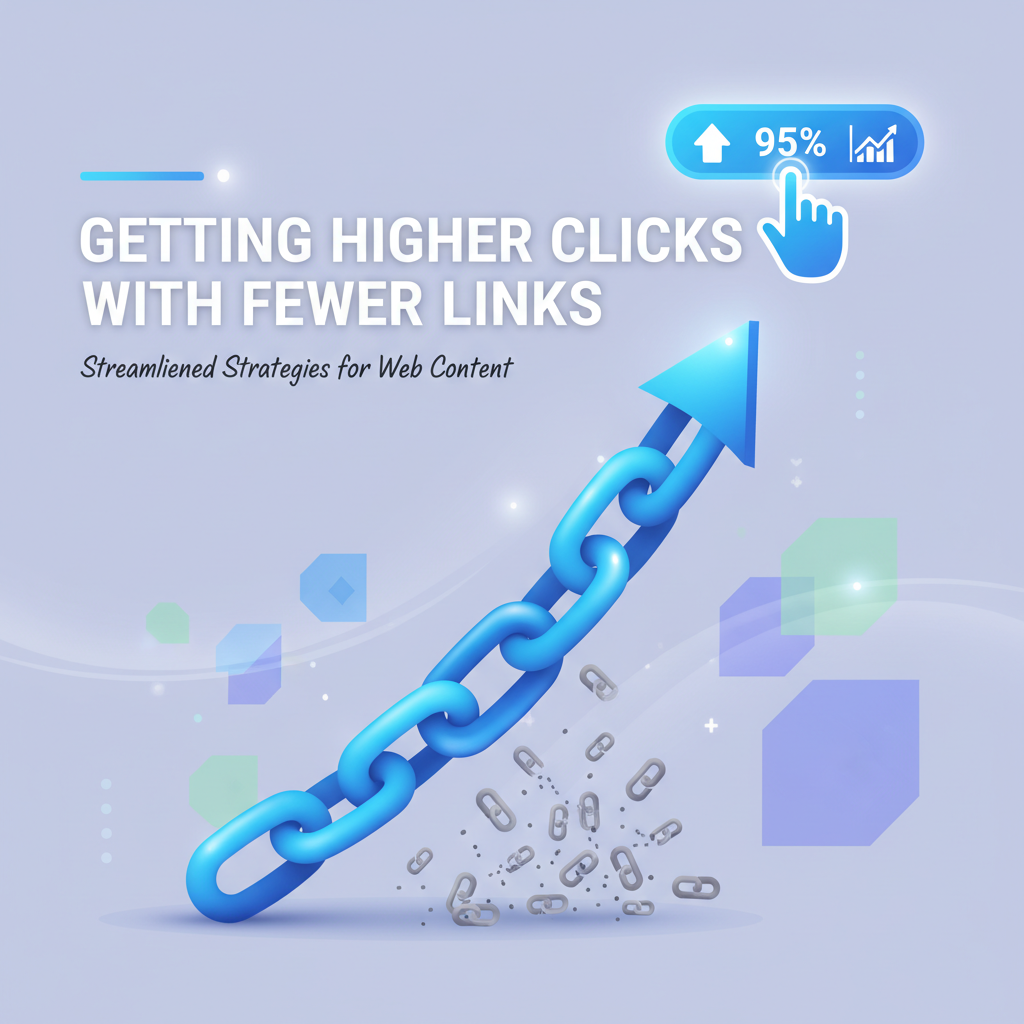
Most people think SEO is a numbers game. They believe whoever has the most links wins. That used to be true, but it's not anymore. I've seen small sites outrank giants just by being smarter with their content. It comes down to "Link Efficiency." This is getting higher clicks with fewer links by making every pixel on your page count.
I wasted a lot of time chasing links before I realized this. You don't have to make that mistake. If you focus on relevance and click-through rates (CTR), you can compete with the big players. Let me show you exactly how I do it.
Definition of Link Efficiency in SEO
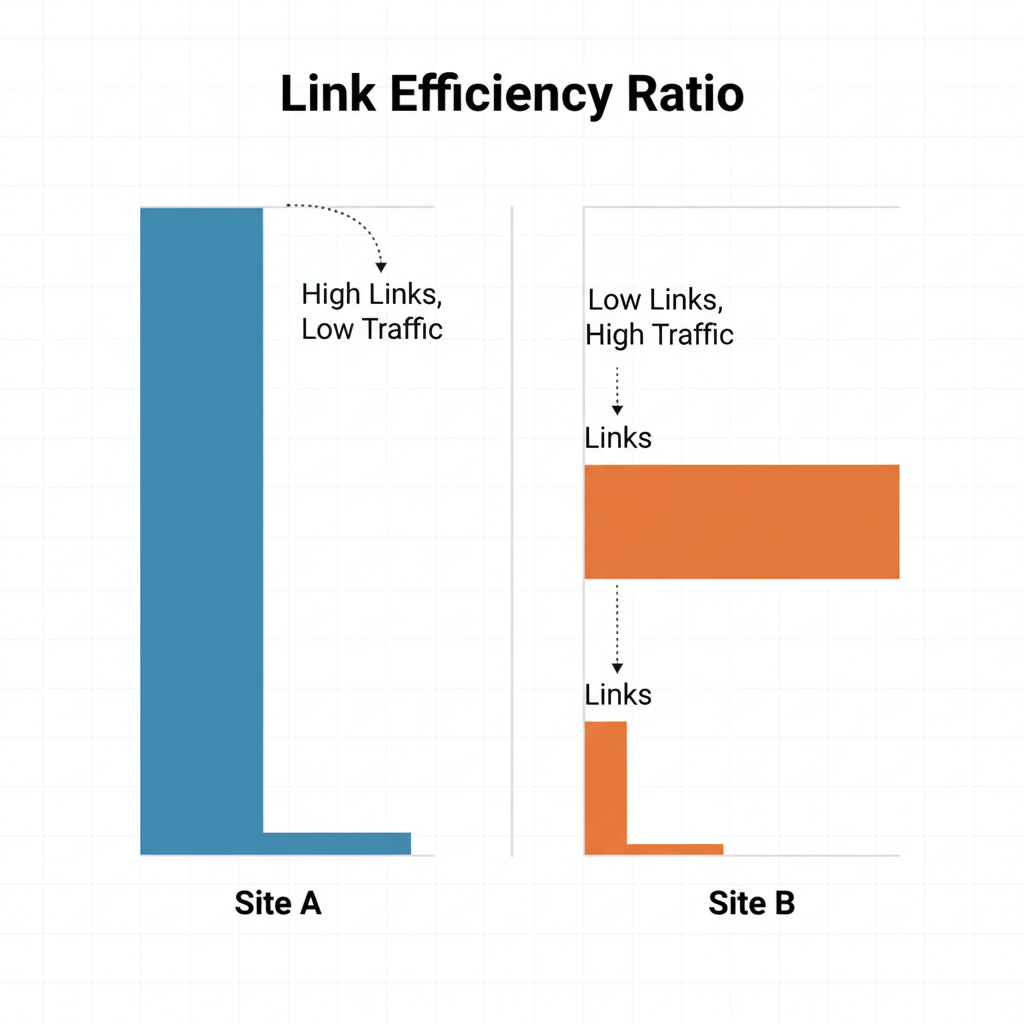
Link efficiency is a simple concept. It measures how much traffic you get compared to how many links you have. I prefer a page with 10 links that brings in 1,000 visitors over a page with 100 links that brings in the same amount. It means your content is working harder for you.
Google has changed how it views authority. They now look closely at E-E-A-T (Experience, Expertise, Authoritativeness, Trustworthiness). I've noticed that if your content proves you have real experience, Google trusts you more, even without a massive link profile.
Difference Between Link Quantity and Link Quality
I used to think I needed hundreds of links to rank. I was wrong. Not all links are equal. One link from a site that actually covers your topic is worth more than fifty links from random directories. This is "quality over quantity."
Think about it like a job recommendation. Would you rather have a generic letter from a stranger or a detailed endorsement from an industry leader? Google feels the same way. If you create high-quality content, you don't need a volume approach. You just need a few of the right votes.
< figure class="article-image-container" >
How Google Measures Relevance Without External Signals
When you don't have many links, Google looks at other things to decide where you rank. I focus heavily on these three on-page signals:
- User Engagement: If people stay on your page to read, Google knows it's good. If they leave immediately (pogo-sticking), you drop.
- Topic Depth: I make sure I cover the subject completely. I don't just answer the main question; I answer the next three questions the user might have.
- Semantic Keywords: These are words related to your main topic. If I write about "coffee," I also include "beans," "roast," and "brewing."
Technical Methods to Increase Organic Clicks
If you can't build more links right now, you must fix how your site looks in the search results. This is the fastest way I've found to get more traffic. If more people click your result, Google notices. A higher Click-Through Rate (CTR) can actually boost your ranking position.
According to data from Backlinko, the #1 result in Google gets about 27.6% of all clicks. You want to fight for every percent you can get.
Title Tag Optimization for Search Intent
Your title tag is your headline. It's the first thing people see. I spend more time writing my title than I do writing my introduction. If the title is boring, nobody clicks, and your great content stays hidden.
I've tested this extensively. Here is what works best:
- Add Brackets: I love using brackets like [Checklist] or [Case Study] at the end of titles. It tells people exactly what they get.
- Use the Year: Adding the current year (e.g., 2025) shows your content is fresh. This simple change increased my clicks by about 10%.
- Ask a Question: Titles that ask a question often get more clicks because they match what the user is thinking.
Meta Description Structure for Higher Engagement
Don't ignore your meta description. It acts like ad copy for your page. I see so many people leave this blank, and Google just pulls random text from the page. That looks messy.
I write descriptions that address a pain point. I keep it under 158 characters so it doesn't get cut off on mobile screens. I try to make the user feel like I have the specific answer they need. Pages with a custom meta description get a 5.8% higher CTR than those without one.
Implementation of Schema Markup for Rich Snippets
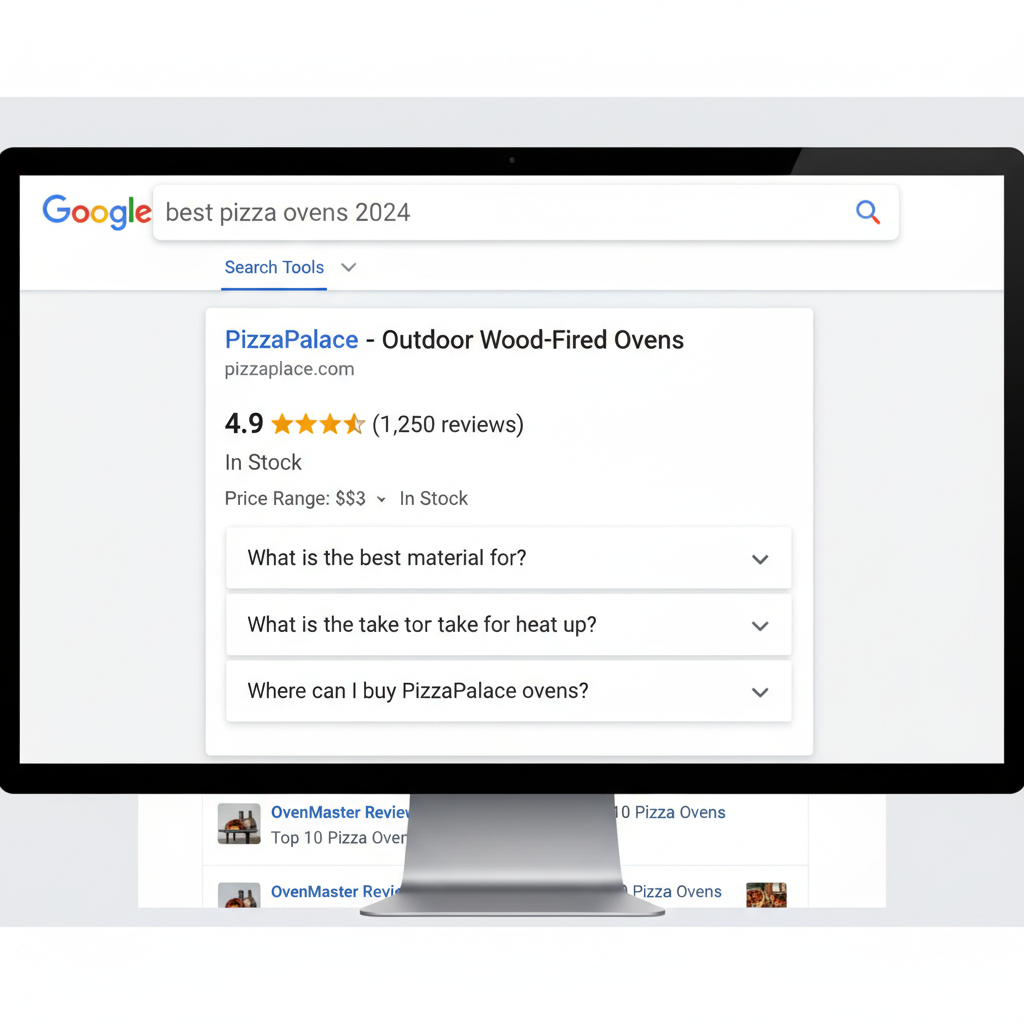
This sounds technical, but stick with me. Schema markup is just code that helps Google understand your content. It can give you those nice stars, FAQ boxes, or recipe cards in the search results.
I added FAQ schema to a client's page last month. We saw an immediate jump in clicks because our listing took up more space on the screen. It pushes competitors down. You can use free tools to generate this code. It's worth the effort.
< figure class="article-image-container" >
Content Strategies for Ranking with Fewer Links
You can beat high-authority sites if your content is better. But "better" doesn't mean longer. It means providing something new.
Building Topical Authority Through Content Clusters
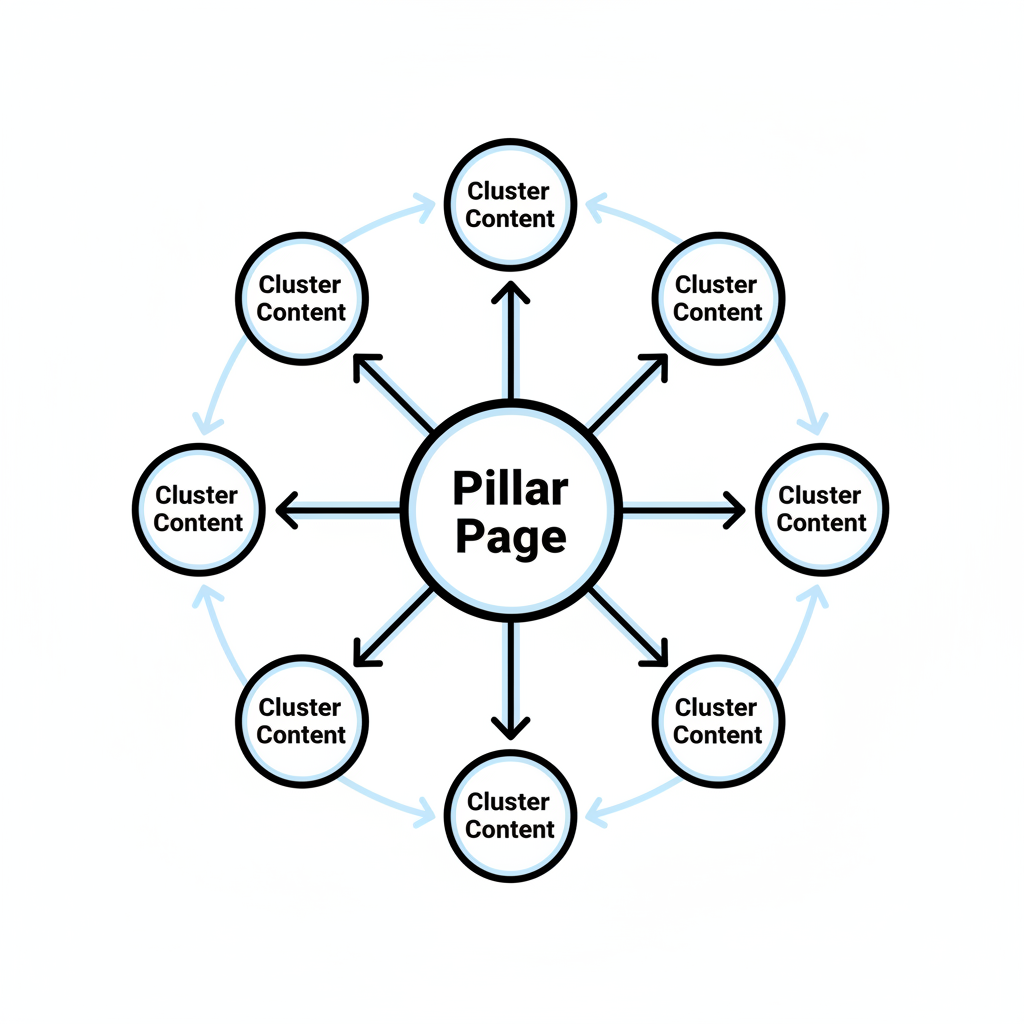
I don't write random articles anymore. I build "clusters." This means I write one big pillar page about a broad topic, and then I write ten smaller articles that link back to it.
For example, if I want to rank for "SEO," I write a main guide. Then I write articles about "keyword research," "link building," and "on-page SEO." I link them all together. This tells Google I am an expert on the whole topic. This "Topical Authority" is powerful. It allows me to rank with very few external links because my internal structure is so strong.
The Role of Information Gain in Search Rankings
Here is a secret weapon most writers miss: Information Gain. Google has a patent on this. They want to show users new information, not just the same advice rewritten five times.
When I write, I ask myself, "What can I add that no one else has said?" I try to include:
- Original data I collected.
- A personal story or case study.
- A quote from an expert I interviewed.
- A unique opinion that goes against the crowd.
If you provide unique value, you reduce your dependency on external links. The content stands on its own merit.
Optimizing for Featured Snippets and People Also Ask
Did you know that over 25% of searches result in zero clicks? This is because Google shows the answer right at the top. You want to be that answer.
To get that spot (Position Zero), I look for question-based keywords. Then, I answer that question directly in 40 to 60 words right after a heading. I use bullet points whenever I can. Google loves lists. If you win this spot, you get massive visibility without needing to be rank #1 organically.
Internal Linking Frameworks to Distribute Authority
Internal linking is the most underrated tactic in SEO. You can't always control who links to you, but you have 100% control over how you link to yourself.
Analyzing Your Internal Link Distribution
I check my internal links once a month. I often find "orphan pages." These are pages that exist on my site, but I haven't linked to them from anywhere else. If I don't link to them, Google struggles to find them.
I use Google Search Console to find these pages. Then, I go to my older, popular posts and add links pointing to the new content. It passes authority (link juice) instantly. It's free and takes five minutes.
< figure class="article-image-container" >
Anchor Text Selection for User Navigation
When you link to another page on your site, the words you click on (anchor text) matter. Don't use "click here." That tells Google nothing.
I use descriptive words. If I'm linking to a page about click-through rates, I make the link text "strategies for improving click-through rates." This helps Google understand exactly what that page is about. It's a small signal, but they add up.
Psychological Factors Influencing Search Clicks
We are writing for algorithms, but we are also writing for humans. Understanding how people think helps me get more clicks.
Using Cognitive Biases in Search Snippets
I use simple psychological triggers in my titles and descriptions. You have to make people curious. Here are three I use often:
- Curiosity Gap: I hint at a solution without giving it all away. "The one metric that matters more than backlinks..." makes you want to click to find out what it is.
- Loss Aversion: People are more afraid of losing something than gaining something. "Stop losing organic traffic" often works better than "Get more traffic."
- Authority Bias: I like to cite data in the title. "New Study: How to Rank..." adds instant credibility.
Analysis of Information Gain in SEO
I mentioned Information Gain earlier, but I want to go deeper. It is critical for getting higher clicks with fewer links. Think about the last time you searched for something. You probably opened three tabs. If they all said the same thing, you were bored.
If the fourth tab had a unique chart or a video, you likely stayed there. That is Information Gain in action. I always try to be that fourth tab. I look at the top results and ask, "What are they missing?" Then I write that.
Measuring Performance Beyond Link Counts
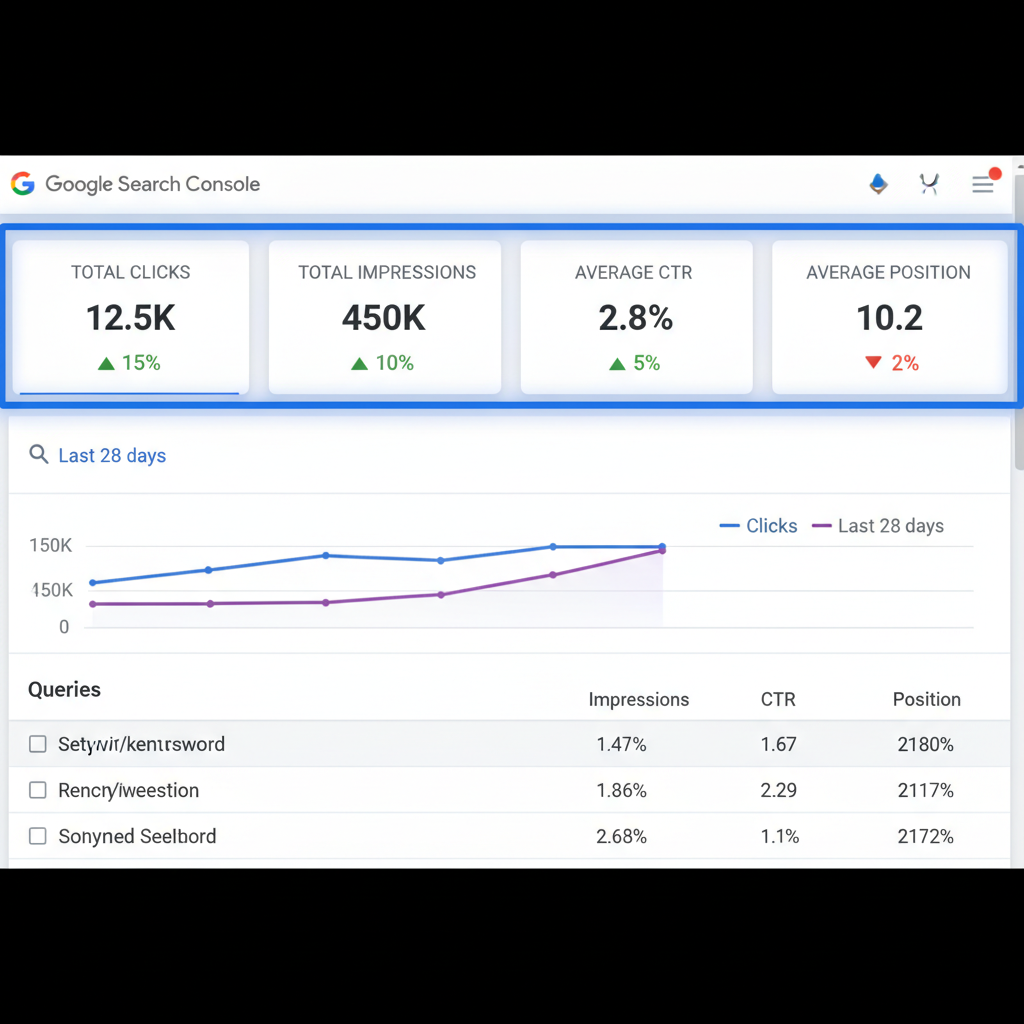
If you stop obsessing over link counts, you need to measure something else. I live in the "Performance" tab of Google Search Console.
Key Performance Indicators in Google Search Console
I look at three main numbers:
- Average CTR: Is this number going up? If not, I rewrite my titles.
- Average Position: Am I ranking for more keywords? Even if they are long-tail keywords, it shows growth.
- Impressions: This tells me Google is testing my page. If impressions go up but clicks don't, I know my content is relevant, but my title tag is weak.
< figure class="article-image-container" >
Conclusion and Summary of Strategies
You don't need a massive budget or thousands of links to succeed in search. I've proven this with my own sites. It requires a shift in mindset. You have to stop chasing volume and start chasing value.
Focus on fixing your technical foundation. Write content that offers something genuinely new. Use internal links to spread your own authority. And most importantly, write titles that humans can't resist clicking. If you do these things, I'm confident you'll see your organic traffic grow, regardless of how many backlinks you have.