The Master Guide to Mapping Complex Drip Campaigns to Diverse Customer Segments (2025 Strategy)
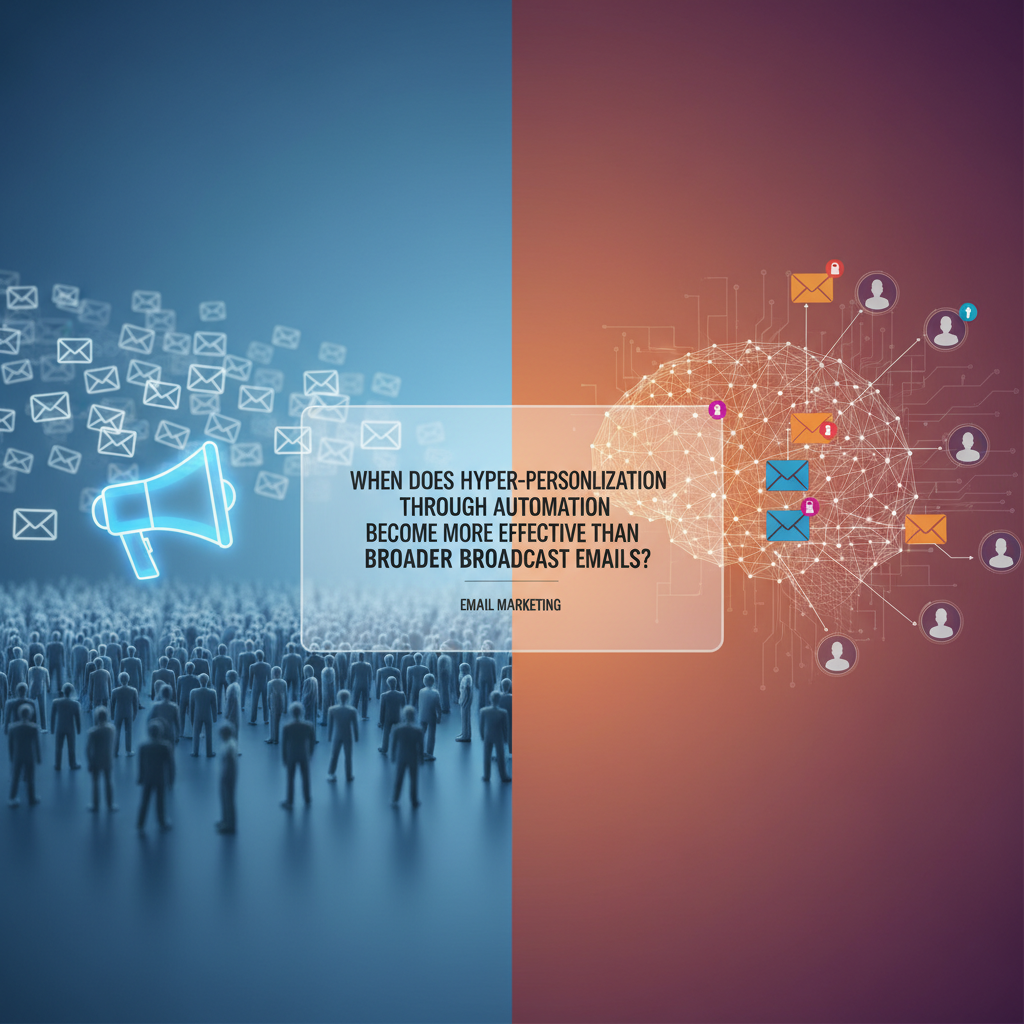
Sending the same email to your entire list isn't just inefficient—in 2025, it's a revenue killer. I've sat in countless strategy meetings where the "batch and blast" mentality still lingers, and honestly, it's painful to watch. With generic blasts yielding abysmal engagement, the money is now entirely in the mapping.
If you are reading this, you likely have data—piles of it—but you're struggling to translate that data into a coherent drip campaign segmentation strategy that feels personal to every single subscriber.
You aren't alone. The jump from "broadcast" to "behavioral automation" is the single hardest leap in email marketing. But it's also the most profitable. In this guide, I'm going to walk you through a proven 5-step 'Segment-to-Flow' framework that turns messy data into high-converting, automated revenue engines.
The Mathematics of Relevance: Why Granular Segmentation Wins
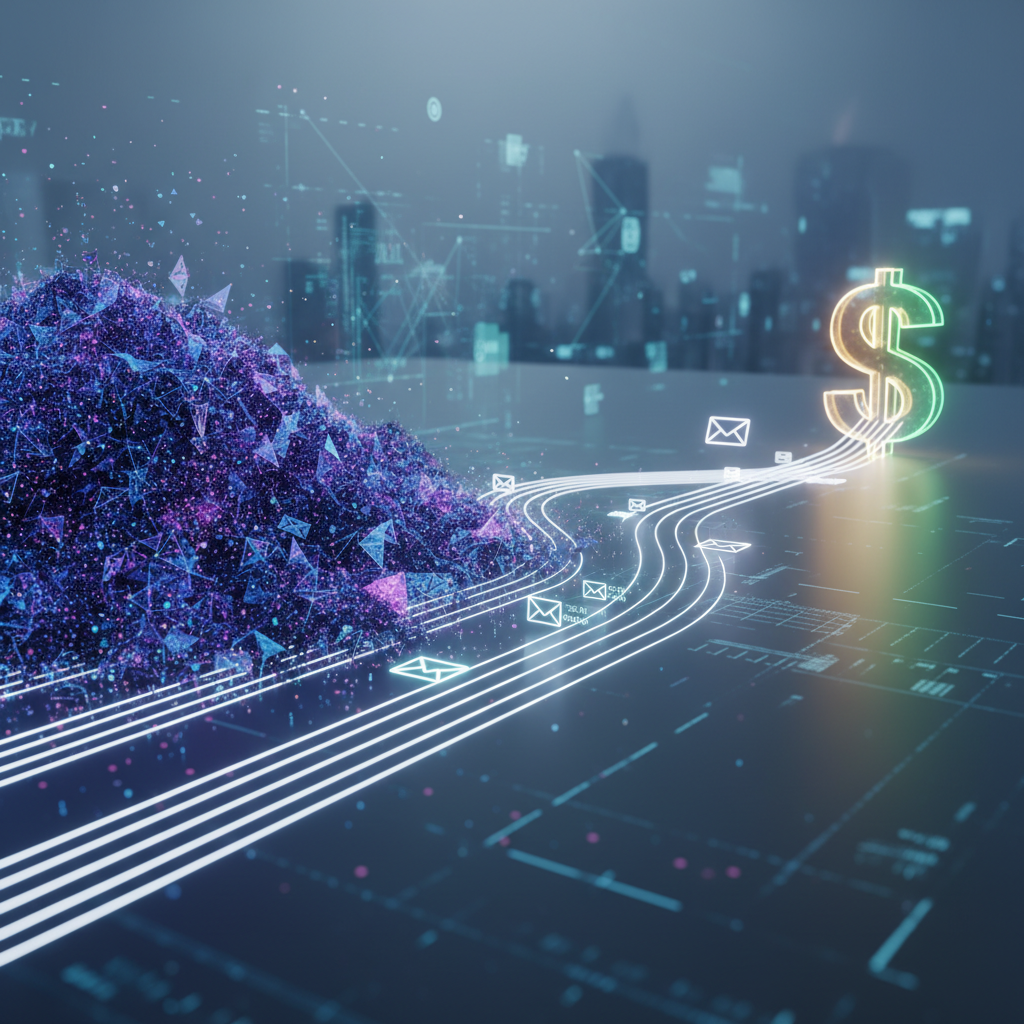
Before we dive into the technical mapping, let's look at why this effort is non-negotiable. I often tell clients that segmentation is an investment in relevance, and relevance is the currency of the inbox.
The numbers backing this up are staggering. According to a retrospective analysis by the Data & Marketing Association (DMA) and Campaign Monitor, marketers who use segmented campaigns see as much as a 760% increase in revenue compared to non-segmented campaigns. That isn't a typo. It's a 760% lift simply by ensuring the right message hits the right person.
A 2024 report from Mailchimp shows that segmented email campaigns generate 14.31% higher open rates and 100.95% higher click-through rates than their non-segmented counterparts.
But it's not just about open rates. It's about customer expectation. Look, we've all been trained by Amazon and Netflix to expect hyper-personalization. When we don't get it, we get annoyed. In fact, McKinsey & Company's Next in Personalization Report reveals that 76% of consumers get frustrated when companies don’t deliver personalized interactions.
If you're sending a "Intro to Our Software" email to a power user who has been with you for three years, you aren't just wasting an email; you're actively degrading their trust in your brand.
"AI isn't replacing the marketer; it's replacing the 'batch and blast' mentality. In 2025, AI is the engine that makes 1:1 personalization scalable." — Chad S. White, Head of Research at Oracle Marketing Consulting
Phase 1: The Data Ingestion Layer (Collecting the Right Signals)
You can't map what you can't measure. The first step in any complex drip campaign strategy is auditing your "Data Ingestion Layer." This is fancy speak for: Where is the data coming from, and is it accurate?
In my experience, most businesses rely too heavily on explicit data (what a user types into a form) and ignore implicit data (what a user actually does). You need both.
Explicit vs. Implicit Data
- Explicit Data: Job title, industry, company size, gender. (Static and often outdated).
- Implicit Data: Pages visited, webinars watched, email click depth, recency of login. (Dynamic and high-intent).
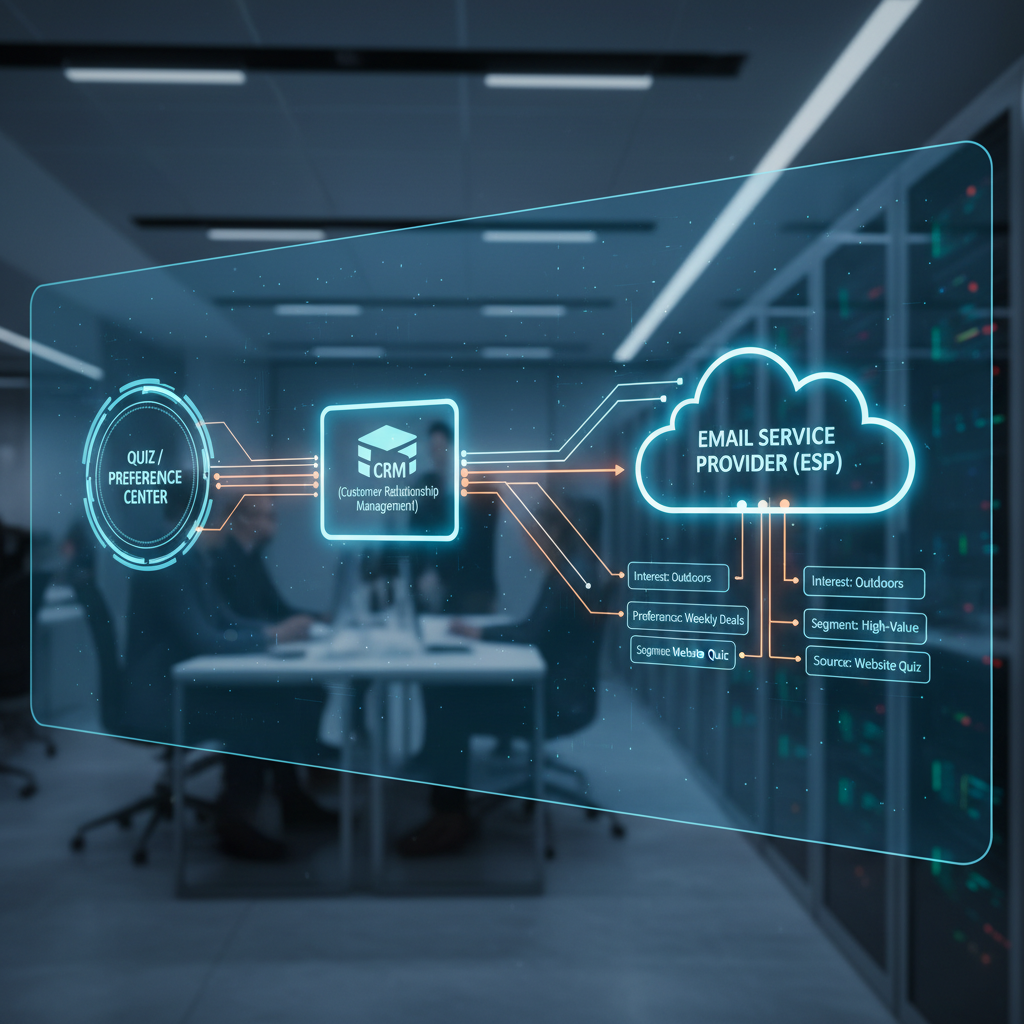
For 2025, the real game-changer is Zero-Party Data. This is data a customer intentionally shares with you. Think about interactive quizzes or preference centers. According to HubSpot's State of Marketing Report 2024, the winners in the post-cookie era are those mastering this direct dialogue.
Yamini Rangan, CEO of HubSpot, put it perfectly in her commentary on the state of marketing: "The era of third-party cookies is over. The winners in 2025 will be those who master zero-party data—asking the customer what they want and delivering exactly that."
Technical Setup
Ensure your CRM (Salesforce, HubSpot, Pipedrive) has a bi-directional sync with your ESP (Klaviyo, ActiveCampaign, Marketo). If a user moves from "Lead" to "Opportunity" in Salesforce, that tag must fire in your ESP instantly to stop the "Nurture" drip and start the "Closing" drip. If there's a delay, you risk sending a generic marketing email right after they've spoken to a sales rep—a classic deal-killer.
Phase 2: Advanced Segmentation Models (Defining the 'Who')
Once the data is flowing, we need to bucket users into groups. Please, for the love of ROI, stop segmenting just by "Newsletter Subscribers." Here are the three models I use for high-impact campaigns.
1. The RFM Model (Recency, Frequency, Monetary)
This is the gold standard for e-commerce, but I've used modified versions for B2B as well. You score every user on:
- Recency: How long since their last purchase/interaction?
- Frequency: How often do they buy/engage?
- Monetary: How much have they spent (or what is their lead score value)?
Using this, you can isolate your "Whales" (High Monetary, High Frequency) from your "At-Risk" customers (High Monetary, Low Recency). A 2024 E-commerce Stats report from Omnisend/Statista highlights the power of targeted flows, noting that sending three abandoned cart emails (a form of Recency trigger) results in 69% more orders than sending just one.
2. Behavioral Clustering
This is where you group users based on what they consume. If User A reads three blog posts about "SEO" and User B reads three posts about "Social Media Ads," they should not be in the same drip campaign. They have different pain points.
Real-World Example: Look at Doggyloot. In a classic case study updated for 2024 retrospectives by MarketingSherpa, they segmented users based on "Dog Size" and "Breed." The result? A 410% increase in CTR and a 13% boost in revenue. Why? Because Chihuahua owners stopped seeing ads for 50lb bags of kibble. It sounds simple, but how many B2B companies are still sending "Enterprise" case studies to "SMB" leads?
3. Predictive Segments (The AI Edge)
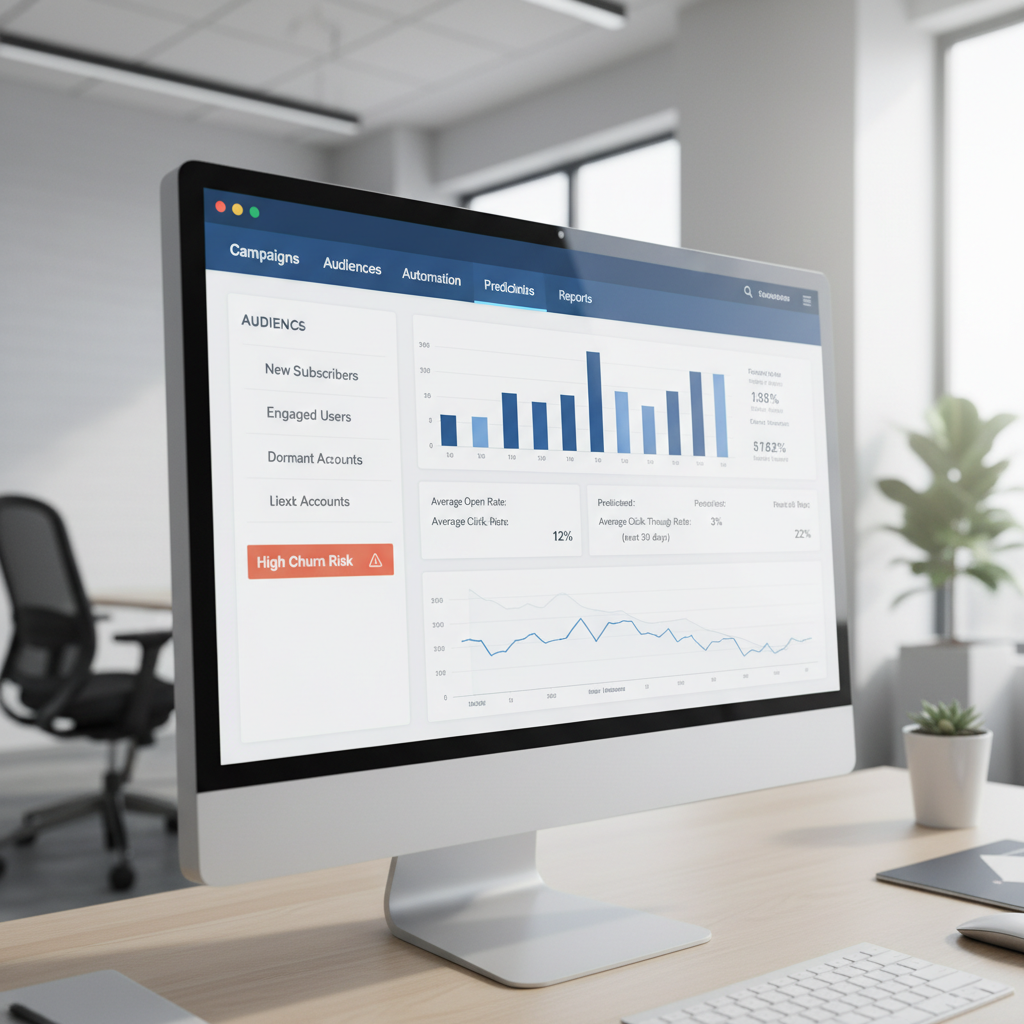
This is where things get exciting. Tools like Klaviyo and HubSpot now offer predictive analytics. You can create a segment of users who are "Likely to Churn" in the next 30 days based on their engagement drop-off.
According to HubSpot's State of Marketing Report 2024, 64% of marketers are now using AI for exactly this kind of segmentation and content tailoring. If you aren't using predictive scoring, you're reacting to the past rather than preparing for the future.
Phase 3: The 'Segment-to-Flow' Mapping Process (The Core How-To)
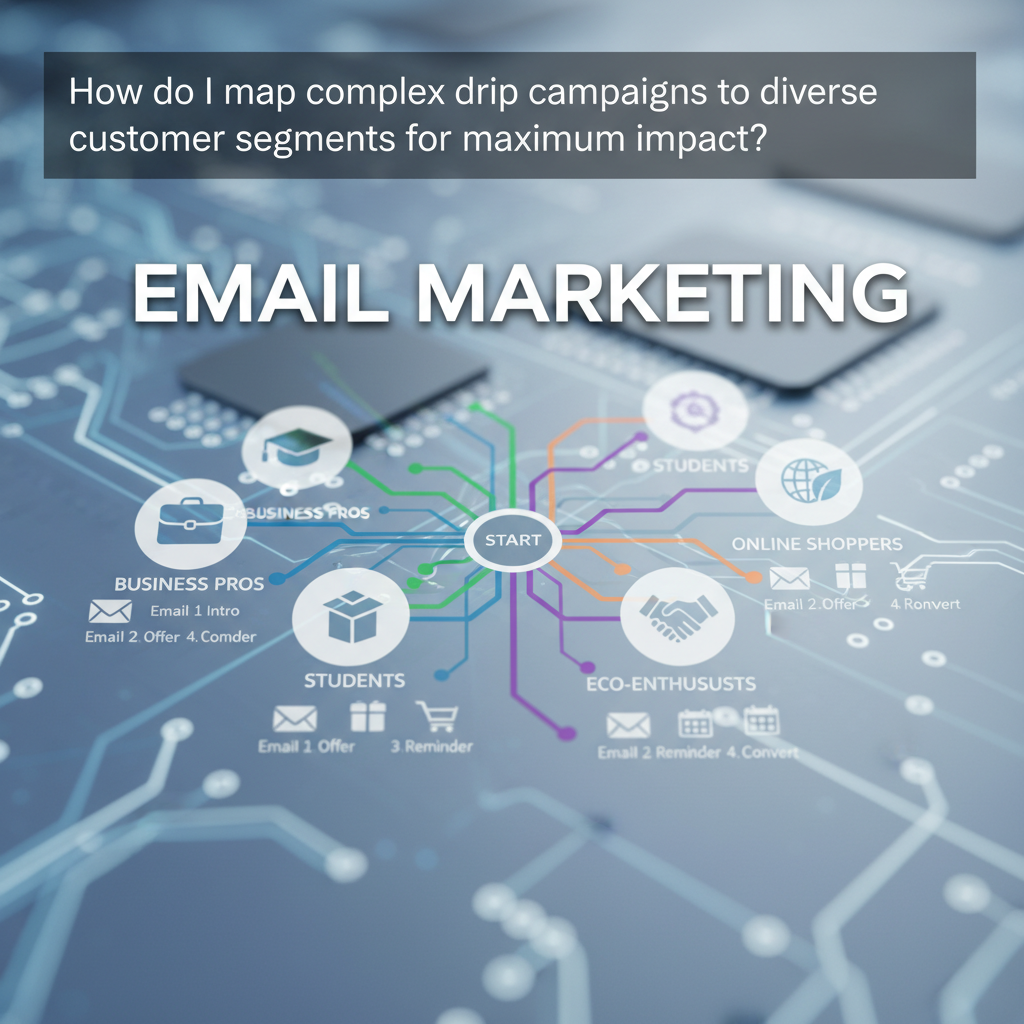
Now, let's get into the weeds. How do you actually map this? I use a method called the "Segment-to-Flow" matrix.
You need to map your customer journey stages to specific content formats. It usually looks like this:
- Awareness Stage (The Curious): Trigger = Blog Subscription. Content = Educational/How-to. Goal = Engagement.
- Consideration Stage (The Shopper): Trigger = Pricing Page View or Abandoned Cart. Content = Case Studies/Social Proof. Goal = Intent Verification.
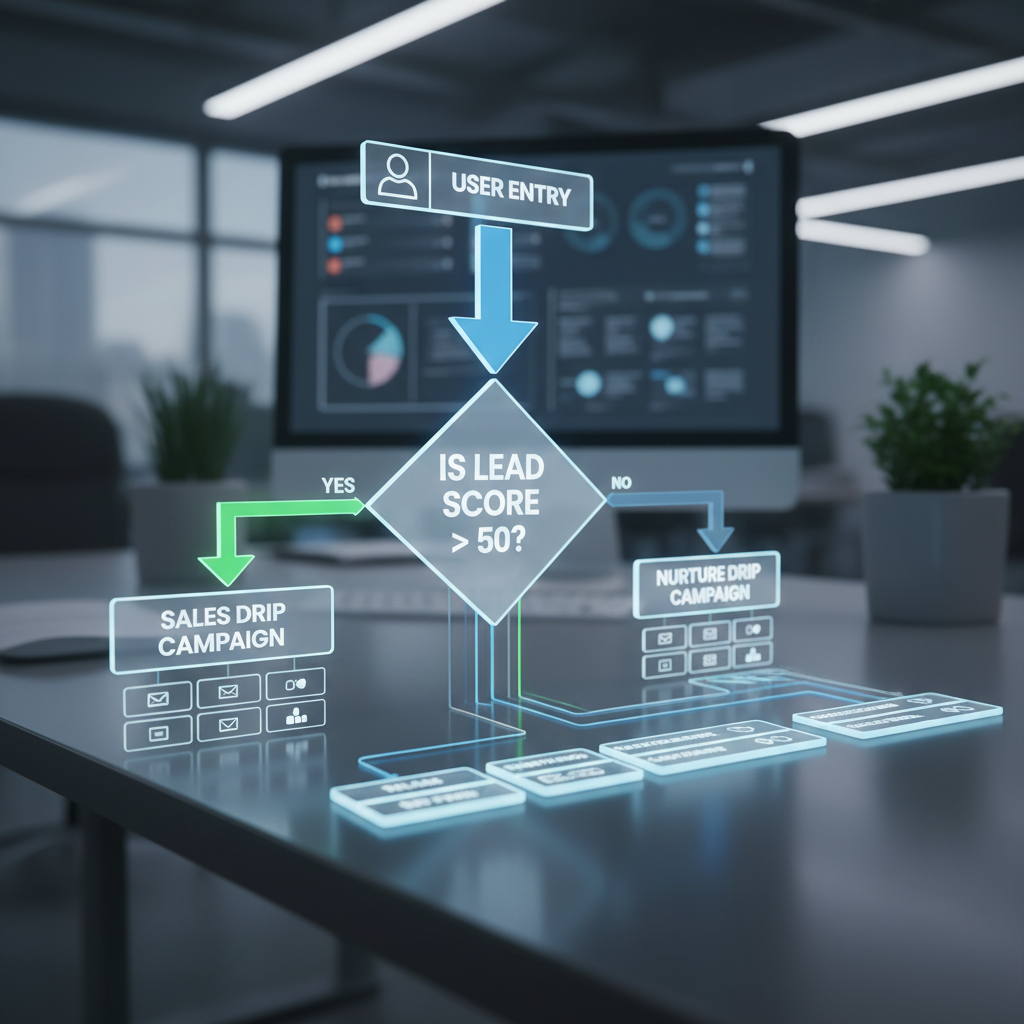
- Decision Stage (The Buyer): Trigger = Demo Request or High Lead Score. Content = Direct Sales/Discounts. Goal = Conversion.
Mapping the Welcome Series
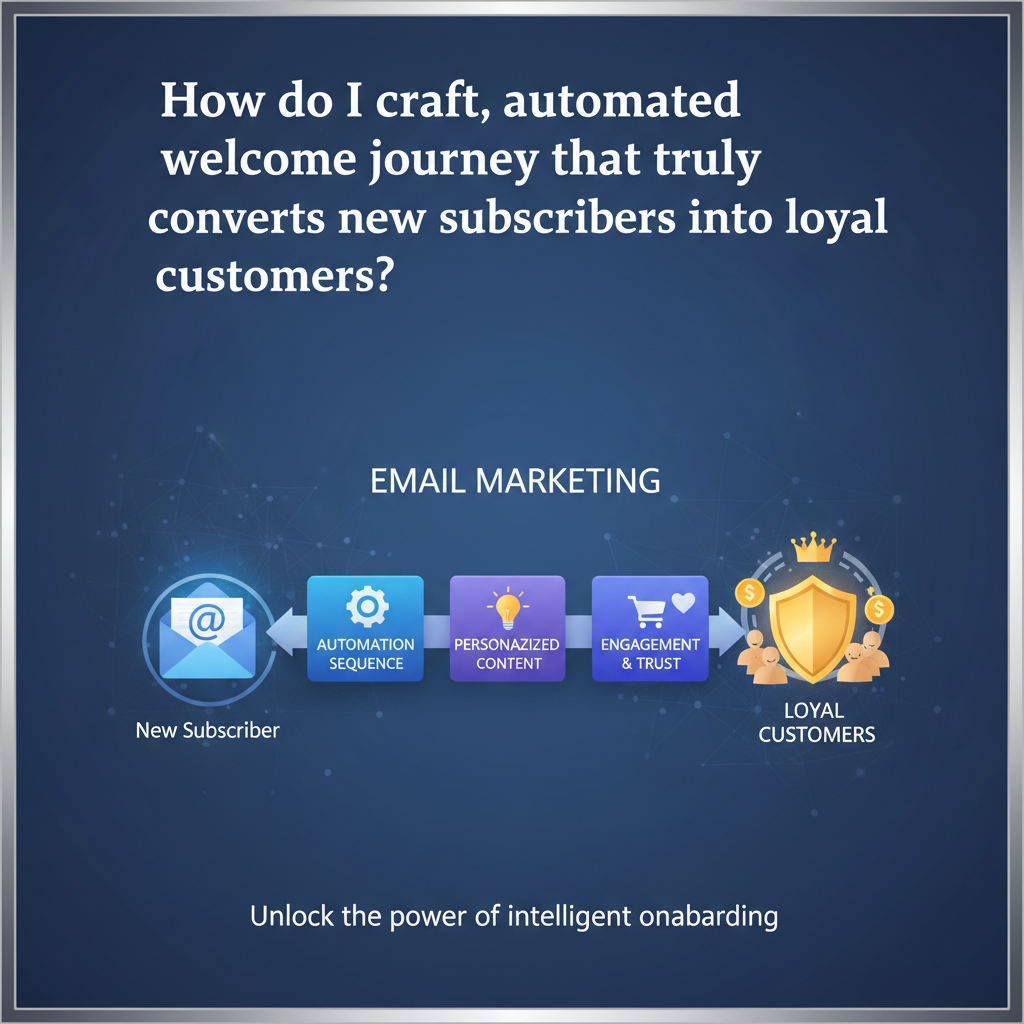
The welcome series is your first impression. Don't waste it. I recommend splitting your welcome series immediately based on the entry source.
- Path A (High Intent): User entered via "Get a Demo." -> Email 1: Calendar link for sales. Email 2: Case study of similar industry.
- Path B (Low Intent): User entered via "Download E-book." -> Email 1: The E-book link (deliver value). Email 2: "Did you find it useful?" (start conversation). Email 3: Soft upsell to a webinar.
HubSpot executed this masterfully. In a B2B case study, they segmented by "Persona." The "Marketing Manager" track received tactical "How-to" drips, while the "CEO" track received strategic ROI drips. The result was 2x higher click-throughs on high-intent demo requests. You have to speak their language.
Handling Segment Overlap (The Traffic Cop)
This is a question I see constantly on forums like Reddit's r/marketing: "How do I prevent users from entering two drip campaigns at once?"
You need Exclusion Logic. Every high-priority flow (like "Abandoned Cart" or "Post-Purchase") should automatically tag the user as "In_Flow_Active." Your lower-priority flows (like "Weekly Newsletter" or "General Nurture") must have a suppression rule: Exclude if "In_Flow_Active" is True.
If a customer is in the middle of a purchase recovery flow, do not distract them with a generic blog update. Keep them focused on the checkout.
"Don't just map the happy path. Your drip campaign needs to account for the 'dark funnel'—where users go silent. That's where your re-engagement segments earn their keep." — Ann Handley, Chief Content Officer at MarketingProfs
Phase 4: Dynamic Content & Hyper-Personalization
Mapping the flow is half the battle; the other half is the content inside the email. In 2025, we are moving beyond just "{First Name}". We are talking about Dynamic Content Blocks.
Most modern ESPs use "Liquid" logic (or similar merge tags) to swap entire sections of an email based on data.
Imagine sending one email campaign about "Summer Trends."
Segment A (Men): Sees images of men's swim trunks.
Segment B (Women): Sees images of sundresses.
Segment C (Parents): Sees images of kids' beach toys.
It is one email deploy, but three different experiences. This is efficient and effective. McKinsey & Company verified in 2024 that companies excelling at this level of personalization generate 40% more revenue from those activities than average players.
The "Amazon Effect" in Drip Campaigns
Glossier (B2C) is a prime example of this. They utilized "browse abandonment" segments—users who viewed a product but didn't cart it. Instead of a generic "Come back" email, they triggered emails referencing the specific category viewed. According to Marketing Insider case studies, this led to a 10% increase in conversion compared to generic newsletters.
And don't overlook subject lines. Campaign Monitor's "The Year in Email 2024" report notes that personalized subject lines increase open rates by 26%. But personalization means context ("Your cart is expiring"), not just names ("Dave, your cart is expiring").
Phase 5: Optimization & Measurement
You've built the machine. Now, how do you know if it works?
The "Control Group" Method
To truly prove the value of your complex mapping to your boss or client, use a Control Group. Hold back 10% of your audience and send them the generic, non-segmented version. Send the other 90% the segmented version. The difference in revenue per recipient (RPR) is your definitive proof of success.
Key Metrics to Watch
Open rates are vanity metrics—Apple's privacy protection has made them unreliable. In 2025, focus on Click-to-Open Rate (CTOR). This measures the relevance of your content after the open. If your Open Rate is high but your CTOR is low, your subject line was good, but your content (or segmentation) failed.
Despite the noise about social media, email remains king. Litmus / HubSpot State of Marketing 2024 reports that email marketing maintains an ROI of $36 to $42 for every $1 spent.
Also, keep an eye on mobile performance. SuperOffice / Litmus data shows that 81% of emails are now opened on mobile devices. If your beautifully segmented drip campaign looks broken on an iPhone, your segmentation logic won't save you.
Future Trends: AI Agents in Drip Campaigns (2025 Outlook)
I want to briefly touch on where this is going. We are seeing the rise of Generative AI agents inside ESPs. Soon, you won't just map segments; you will give an AI an objective ("Increase Webinar Signups for Segment B"), and the AI will rewrite the email copy in real-time for that specific user's reading level and tone preference.
It sounds sci-fi, but with Digital Marketing Institute reporting that triggered (automated) emails generate 320% more revenue than non-automated ones, the push for AI optimization is the natural next step.

Frequently Asked Questions
What is the best way to segment a drip campaign?
Start with behavioral data rather than demographic data. Segment by "Stage in Funnel" (Lead vs. Customer) and "Engagement Level" (Active vs. Inactive). Use tagging in your CRM to automate this movement between segments.
How many emails should be in a nurturing sequence?
There is no magic number, but best practices suggest 3-7 emails. For lower-ticket B2C items, 3 emails over a week works well. For high-ticket B2B sales cycles, a longer nurture of 7+ emails over several months is more appropriate.
What is the difference between a nurture campaign and a drip campaign?
A "drip" campaign usually refers to time-based emails (Day 1, Day 3, Day 7). A "nurture" campaign is often behavior-based or goal-based (educating the user until they are ready to buy). However, in modern automation, the terms are often used interchangeably to describe automated workflows.
How does segmentation affect email ROI?
It drastically improves it. By sending relevant content, you reduce unsubscribe rates and increase conversion. As noted earlier, segmented campaigns can yield up to a 760% increase in revenue compared to non-segmented blasts.
Final Thoughts
Segmentation is a loop, not a one-time setup. The market changes, and your customers change. The best advice I can give you is to start today by auditing your current flows. Pick your biggest, messiest list, and split it in two based on one behavioral trait. The results will speak for themselves.