The High-Converting Automated Welcome Journey: A 2025 Master Guide
You have exactly one chance to get this right.
Here is the brutal reality of e-commerce in 2025: According to Bluecore's 2024 Customer Growth Benchmarks Report, 74% of customers buy once and never return. Think about that for a second. Three out of every four people you pay to acquire will vanish after a single transaction.
In my years consulting for e-commerce brands, I’ve seen the same mistake repeated ad nauseam: treating the welcome series like a digital receipt. A polite "Hello," a generic 10% coupon, and silence.
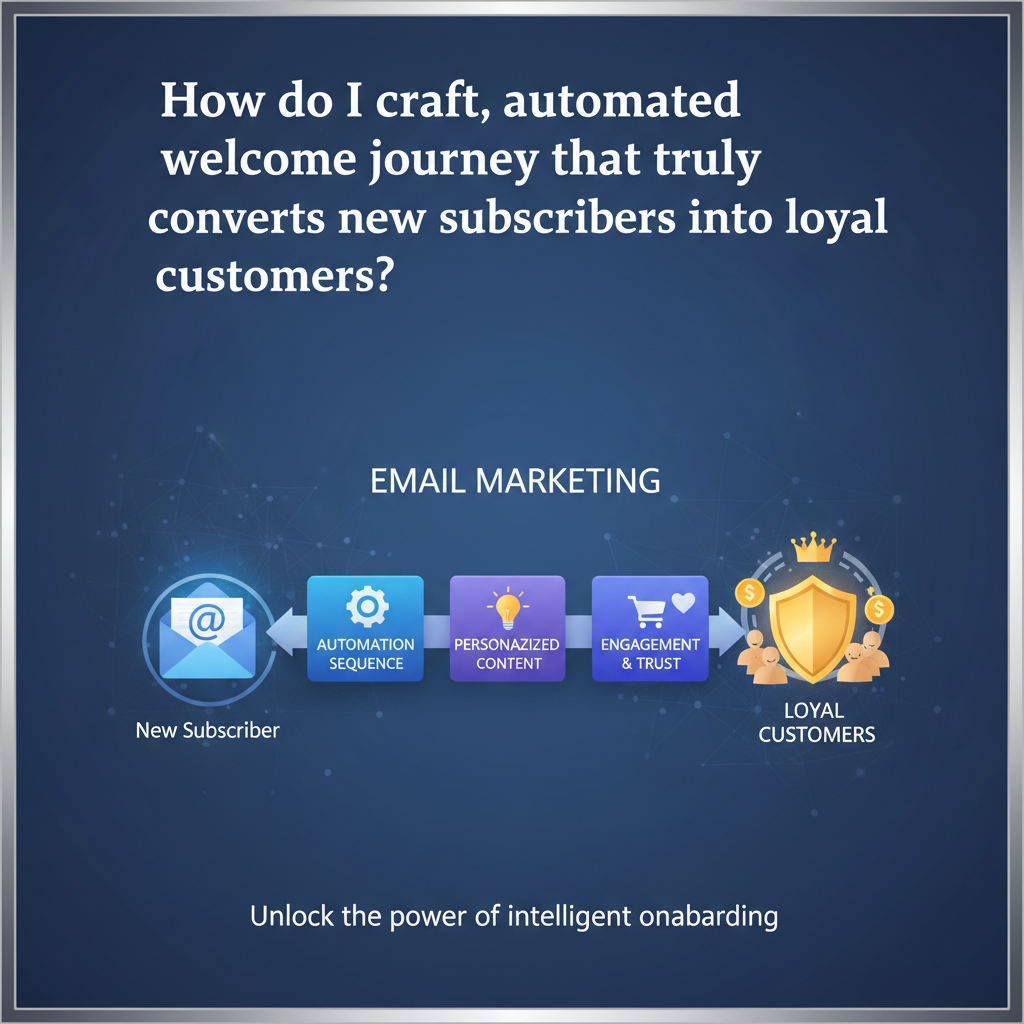
This approach is burning money. Your automated welcome email series isn't just a handshake; it is the only safety net you have against that 74% churn rate. When executed with the logic I’m about to share, this flow can become your highest revenue channel.
This guide isn't about writing "catchy" subject lines. It’s about building a behavioral engine using Zero-Party Data and conditional logic. We are going to move beyond the "Hello" and build a system that converts.
What We Will Cover:
- Why the "One-and-Done" approach is failing in 2025
- Phase 1: The "Immediate Impact" Setup (0-24 Hours)
- Phase 2: Architecting the Perfect 5-Email Logic Map
- Advanced Logic: Segmentation & Exclusion Strategies
- Real-World Case Studies (GhostBed & Universal Yums)
- Measuring Success: The Metrics That Actually Matter
Why "Just Saying Hello" Fails (The 2025 Data Landscape)
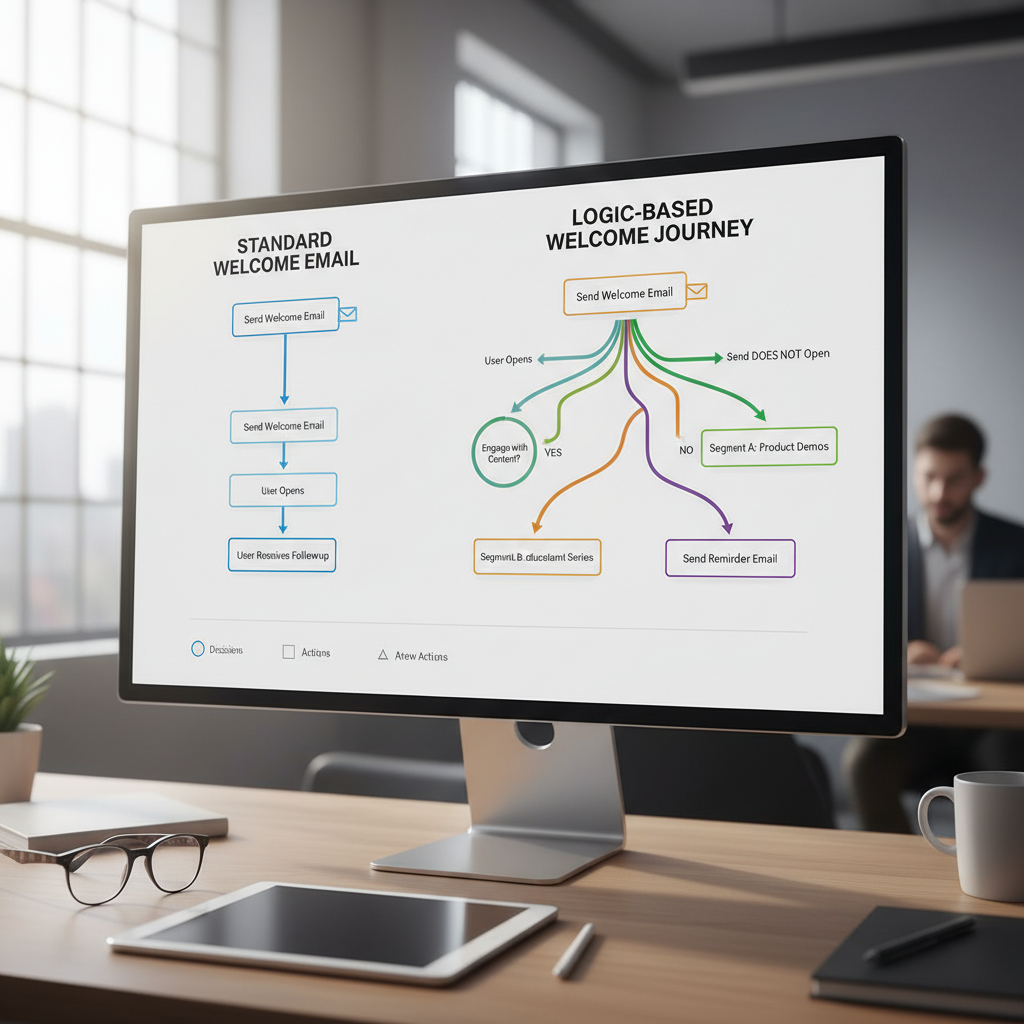
Before we open the email editor, we need to understand the math. The difference between a "campaign" (a newsletter you send manually) and an "automated flow" (triggered by behavior) is staggering.
According to Klaviyo's 2024 Email Marketing Benchmarks, automated flows generate up to 30x more revenue per recipient than standard campaigns. Why? Because they hit the user exactly when their intent is highest.
Yet, most brands are still sending a generic blast. The problem isn't just timing; it's data. With third-party cookies crumbling, we are entering the era of Zero-Party Data—data the customer voluntarily gives you.
Jason Grunberg, CMO at Bluecore, puts it perfectly in a recent 2024 report: "Knowing who their shoppers are gives retailers the means to execute precision strategies... Retailers with high ID rates are seeing repeat purchase rates 53% higher than the standard."
If your welcome series isn't collecting this data, you aren't building a relationship; you're just spamming.
Phase 1: The "Immediate Impact" Setup (0-24 Hours)
The first 24 hours determine the lifetime value (CLV) of a subscriber. Here is the framework I use to maximize this window.
The 1-Minute Trigger Rule
I often see brands putting a 30-minute delay on their first email to "not seem desperate." This is a mistake. When a user signs up, they are in a dopamine-fueled shopping mode.
You must strike instantly. According to Omnisend (2024), welcome emails have a 52.9% open rate, compared to 20.5% for standard promotional campaigns. Delaying this email kills that momentum.
The Micro-Survey Strategy
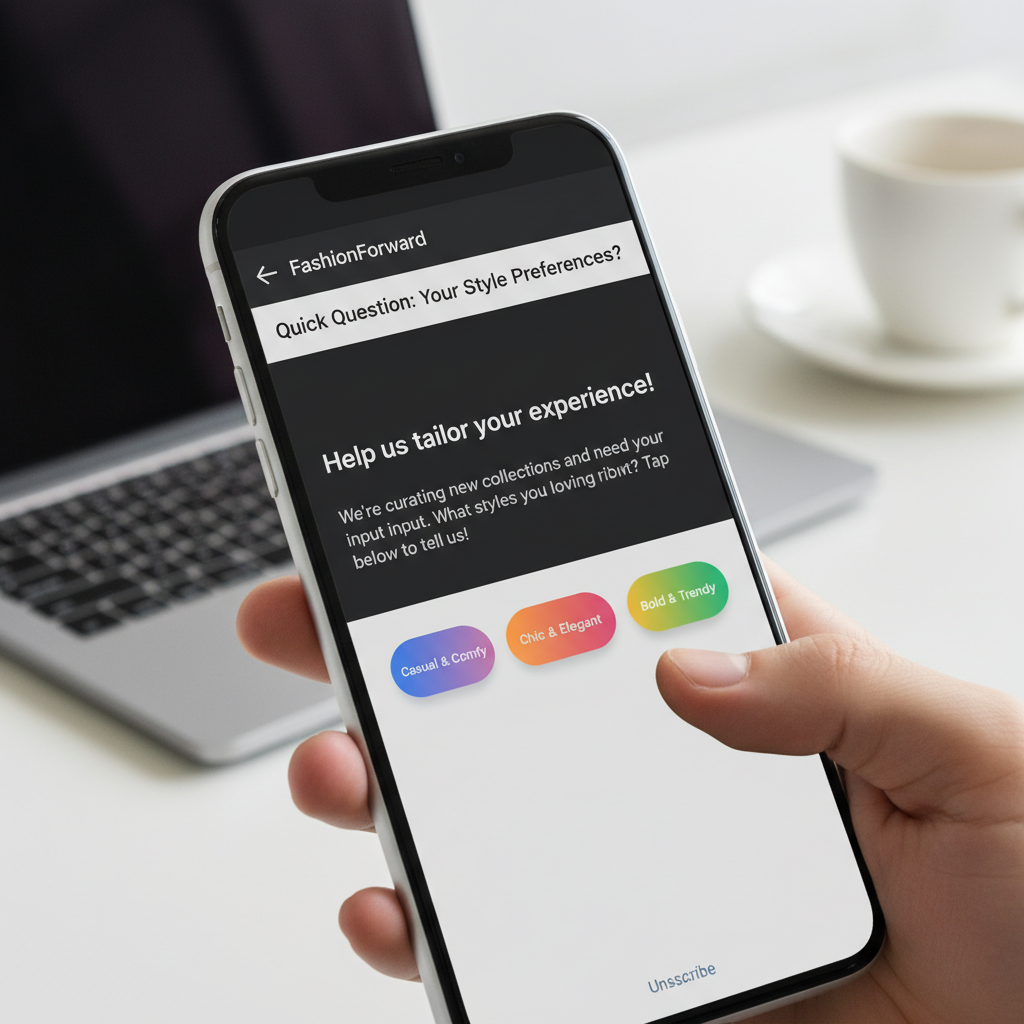
Instead of just delivering a coupon code, use Email #1 to ask one preference question. This is the Zero-Party Data angle.
Example: If you sell skincare, don't just say "Welcome." Ask: "What's your main skin concern? (Click one: Acne, Aging, Dryness)."
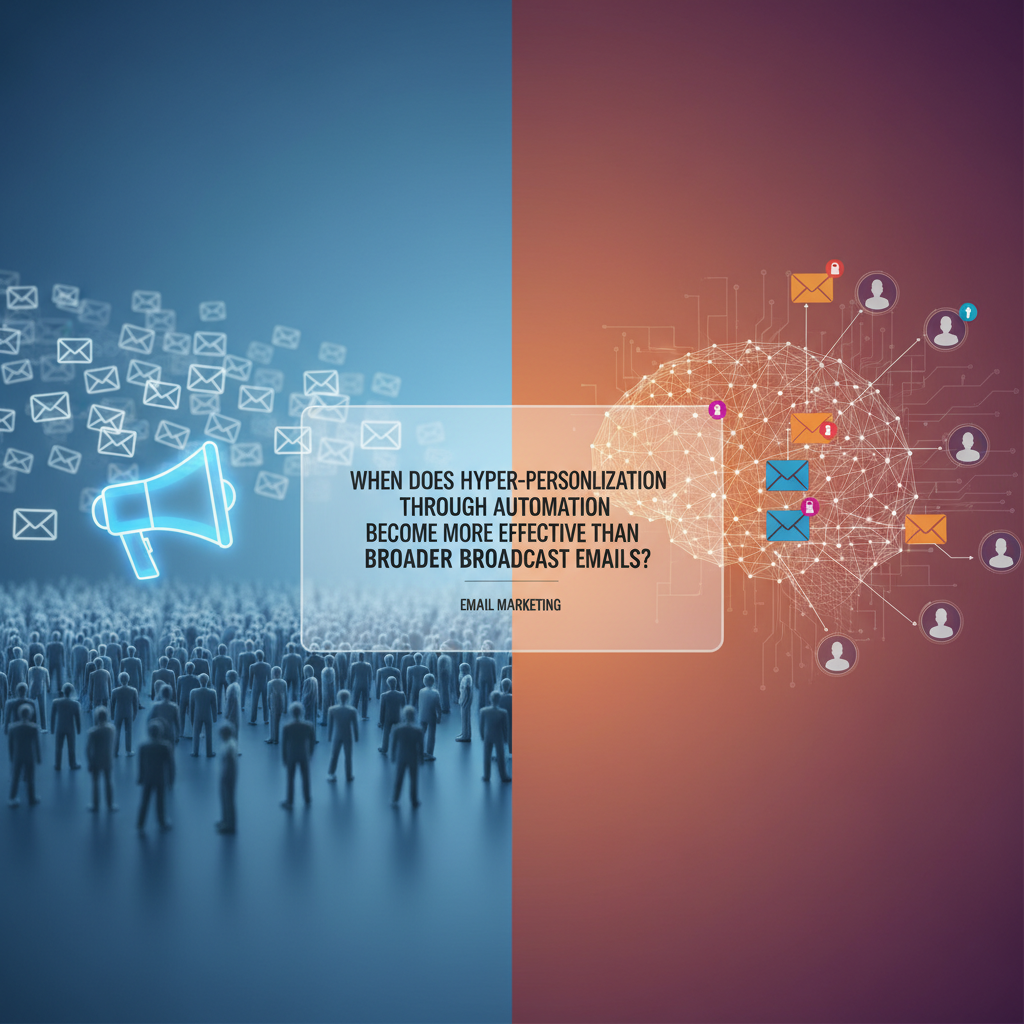
By clicking a link, the user tags themselves in your CRM. Now, every subsequent email can be hyper-personalized.
SMS + Email: The "Double Tap" Technique
Email is great, but combining it with SMS is nuclear. You might worry about being annoying, but the data suggests otherwise if done correctly.
Case Study: GhostBed
GhostBed implemented a multi-channel welcome series combining SMS and Email. The result? They generated $77,600 in revenue from the welcome series alone with an ROI of over 200x in the first two weeks. The key was using SMS for the immediate offer and email for the storytelling.
Phase 2: Architecting the Perfect 5-Email Flow (Logic Map)
A single email is not a "series." According to ActiveCampaign/Mailchimp data (2024), sending a series of welcome emails yields an average of 51% more revenue than a single welcome email.
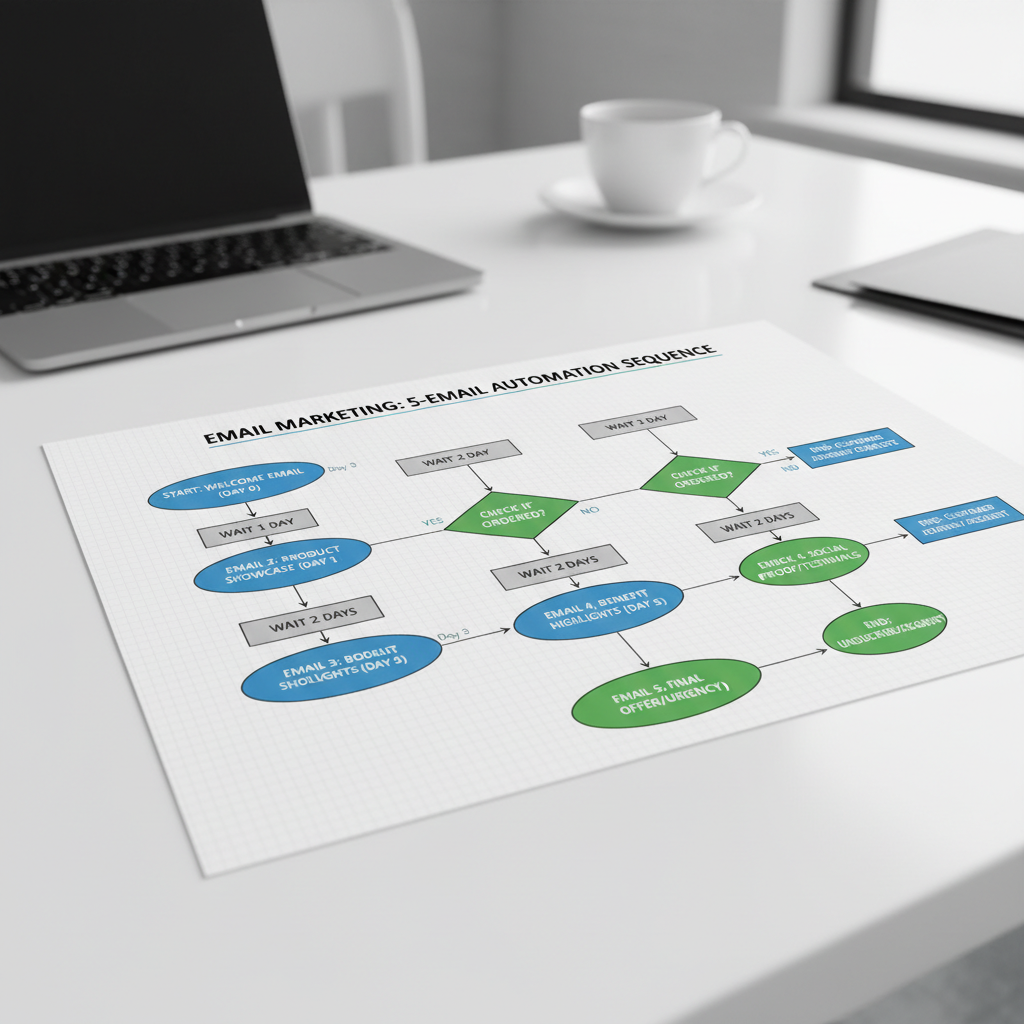
Here is the 5-email logic map I recommend for 2025:
Email 1: Immediate Value + Data Collection (Trigger: Immediately)
Goal: Deliver the lead magnet and segment the user.
- Subject Line: Welcome! Here is your 10% off (Open it now)
- Content: Deliver the code in big, bold text. Underneath, include the Micro-Survey (Zero-Party Data).
- Logic: If they click a preference, tag them immediately.
Email 2: The "Brand Story" Pivot (Trigger: Day 2)
Goal: Emotional connection.
If they haven't bought yet, don't hammer them with the discount again. Tell them why you exist.
James Le Compte, CEO of To'ak Chocolate, notes in an Omnisend Case Study (2024) that their automated welcome series allows them to share their complex sourcing story at scale, building a connection a small team couldn't manage manually. Use this email to show your face, your factory, or your mission.
Email 3: Social Proof & Objection Handling (Trigger: Day 4)
Goal: Trust building.
Show, don't tell. Include user-generated content (UGC), reviews, or press mentions. Address the biggest objection (e.g., "Is the sizing true to fit?").
Email 4: The "Soft Nudge" (Trigger: Day 7 - CONDITIONAL)
Goal: Remind without annoying.
Crucial Logic: This email should only send if the user has NOT purchased yet. (More on exclusion logic below).
"Hey [Name], just noticed you still have that 10% off code. I don't want you to miss out."
Email 5: The "Urgency" Closer (Trigger: Day 10)
Goal: Force a decision.
"Your code expires in 24 hours." Even if the code doesn't technically expire in your backend, creating psychological urgency is necessary for the click-to-conversion rate.
Advanced Logic: Segmentation & Exclusions
This is where the pros separate themselves from the amateurs. Most basic setups fail because they lack exclusion logic.
1. The "Buyer Bypass"
Nothing ruins a customer experience faster than buying a product and then receiving an email two days later begging you to buy that same product.
You must set up a "Flow Filter" or "Exclusion Trigger."
Logic: Check if placed order since starting this flow. If yes -> Exit Flow.
According to Bluecore (2024), active buyers place 57.6% more orders than new buyers. Once someone buys, move them immediately to a "Post-Purchase" flow. Do not keep them in the Welcome flow.
2. Behavioral Triggers
Remember the Micro-Survey in Email 1? Here is how you use it.
- If they clicked "Men's Products": Emails 2-5 should feature men's imagery and copy.
- If they clicked "Women's Products": Emails 2-5 should feature women's imagery.
According to Litmus (2024), 57% of Gen Z rate personalization as extremely important. This simple split can double your click-through rates.
3. Time Zone Optimization
Stop sending emails at 3 AM. Most modern tools (Klaviyo, Omnisend) have "Smart Sending" or "Time Zone Optimization." Turn it on.
However, be strategic. A 2024 GetResponse report found an interesting dichotomy: emails sent early in the morning (4-6 AM) have higher open rates, but late afternoon (5-7 PM) sees higher click rates. Test which metric matters more for your specific offer.
3 Real-World Case Studies (Revenue & ROI)
I believe in looking at what works in the wild. Here are three examples demonstrating the power of these strategies.
1. Universal Yums: The Seasonal Pivot
The Strategy: During Black Friday (BFCM), standard welcome flows often conflict with sitewide sales. Universal Yums updated their welcome journey to match their sitewide BFCM offer (30% off) instead of the standard sign-up offer.
The Result: According to a Klaviyo BFCM 2024 Report, this alignment prevented a 40% drop in sign-up conversions. Lesson: Your welcome flow must be dynamic, not static. Change it during holidays.
2. "May the Growth be with You" Agency: Zero-Party Data Win
The Strategy: This agency tested a unique sign-up form asking for "Favorite Celebrity" (Zero-Party Data) and tailored the welcome email content to that celebrity.
The Result: As detailed in Omnisend Success Stories, this personalization tripled the average click rate (17.97%) and achieved a massive 68.8% click-to-order rate. Lesson: Creativity in data collection pays off.
3. GhostBed: The High-Ticket Item
We mentioned them earlier, but it bears repeating. For high-ticket items (mattresses), trust is everything. Their flow focuses heavily on education and SMS "pings" to answer questions, generating over $77k efficiently.
Measuring Success: 2025 Benchmarks
How do you know if your flow is working? You need to benchmark against the current market.
- Open Rate: Aim for >60%. (Top performers hit 65.74% according to Klaviyo).
- Click-Through Rate (CTR): Aim for >10%.
- Revenue Per Recipient (RPR): This is your north star. Track how much money each email sends.
According to Omnisend (2024), click-to-conversion rates for automated emails are 1.9% vs 0.07% for campaign emails. If you aren't seeing at least a 2% conversion rate on your welcome series, you have a friction problem in your copy or your offer.
When to A/B Test
Don't test button colors. Test offers. Try "10% Off" vs. "Free Shipping" vs. "Free Gift." I've seen "Free Gift" offers outperform discounts by 20% because they add perceived value without devaluing the brand.
FAQ: Common Obstacles
How many emails should be in a welcome series?
The data supports 3-5 emails. Omnisend's research shows that a series of three emails generates 90% more orders than a single email. Going beyond 7 usually yields diminishing returns.
Should I use plain text or HTML templates?
I recommend a mix. Use HTML for Email 1 (Product showcase) to look professional. Use Plain Text for Email 4 (The "Soft Nudge") to make it feel like a personal note from the founder. This hybrid approach often spikes engagement.
What if they don't open the first email?
Resend it with a different subject line 24 hours later. This simple tactic can capture an additional 15-20% of open volume.
Conclusion
Crafting an automated welcome journey isn't just about setting up a tool; it's about understanding human psychology and leveraging the data tools available in 2025.
The days of "batch and blast" are dead. The data from Bluecore and Klaviyo is undeniable: highly segmented, behavior-triggered flows are the only way to combat the 74% churn rate plaguing the industry.
Your Next Step: Audit your current flow. Does it have exclusion logic? Are you collecting zero-party data in the first email? If not, you are leaving money on the table every single day.